Chords in progress
We have not analyzed this song audio yet. Once it is ready, you will see the chord player synced with the video.
The story behind
Canto nomade per un prigioniero politico, according to DoReSol
This piece from Io sono nato libero is not just a song, but a sonic journey that spans over fifteen minutes without losing a single detail. Canto nomade per un prigioniero politico is built on a rhythmic foundation that oscillates between the hypnotic and the ceremonial, where Vittorio Nocenzi's keyboards weave melodies that breathe in long measures, as if each note carried the weight of a testimony. Francesco Di Giacomo's voice does not sing about prison, but from within it, and the result is an atmosphere where the political and the lyrical intertwine without falling into the realm of the pamphleteering. The piece does not resolve into a single climax, but instead unfolds in layers, as if the narrator—and with him, the listener—were walking through a territory unacquainted with haste.
The album Io sono nato libero was recorded in Rome in the early 1970s, at a time when Italian prog sought to break free from traditional rock structures. This song in particular was born as a response to a specific historical moment: political repression in Italy, yet without resorting to the explicit. What is interesting is that the length of Canto nomade per un prigioniero politico—nearly sixteen minutes—is not a whim, but part of its essence. The structure expands like a landscape, with keyboard solos that converse with more intimate passages, and an ending that fades away rather than concludes. In 2015, Rolling Stone included it in its list of the fifty best progressive rock albums of all time, but its true value lies in how it conveys a sense of freedom even amid oppression.
From album

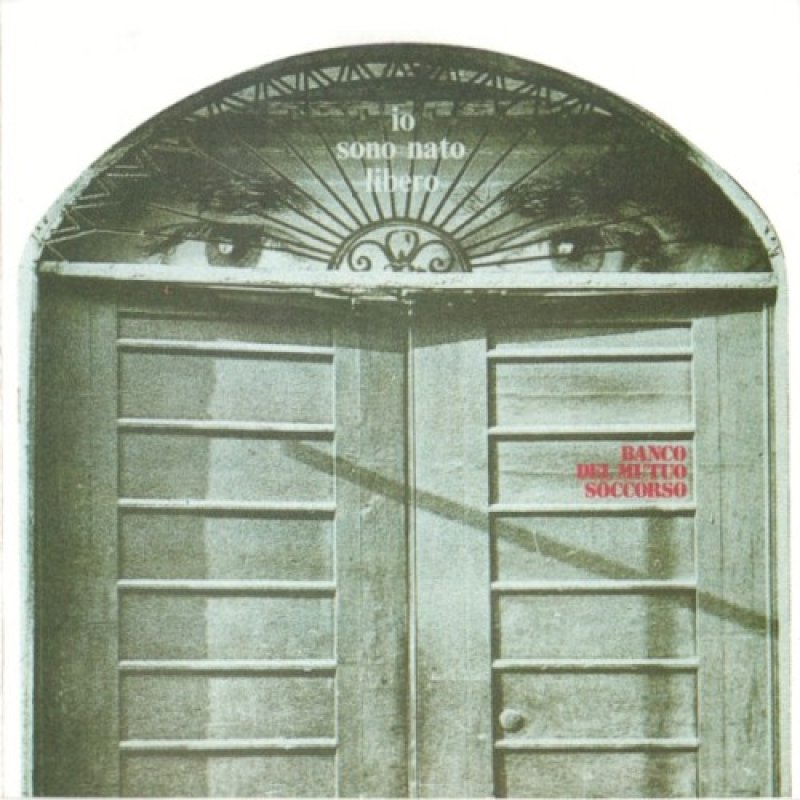
Io sono nato libero
Banco del Mutuo Soccorso · 1973 · Track 1
Details
Credits
Music Vittorio Nocenzi