The story behind
Bring It On Home, according to DoReSol
The Led Zeppelin version of Bring It On Home is a good example of how a song can have deep roots and, at the same time, be transformed by the vision of other musicians. Originally, the piece was written by Willie Dixon, a fundamental name in the blues. The first time this song was recorded was in 1963, performed by Sonny Boy Williamson II. For that recording, Sonny Boy was accompanied by musicians such as Matt "Guitar" Murphy on guitar, Milton Rector on bass, Al Duncan on drums, and Lafayette Leake or Billy Emerson on organ. Interestingly, this original version did not become publicly known until 1966, three years after its recording, when it appeared on the album The Blues Real Folk and was also released as a single.
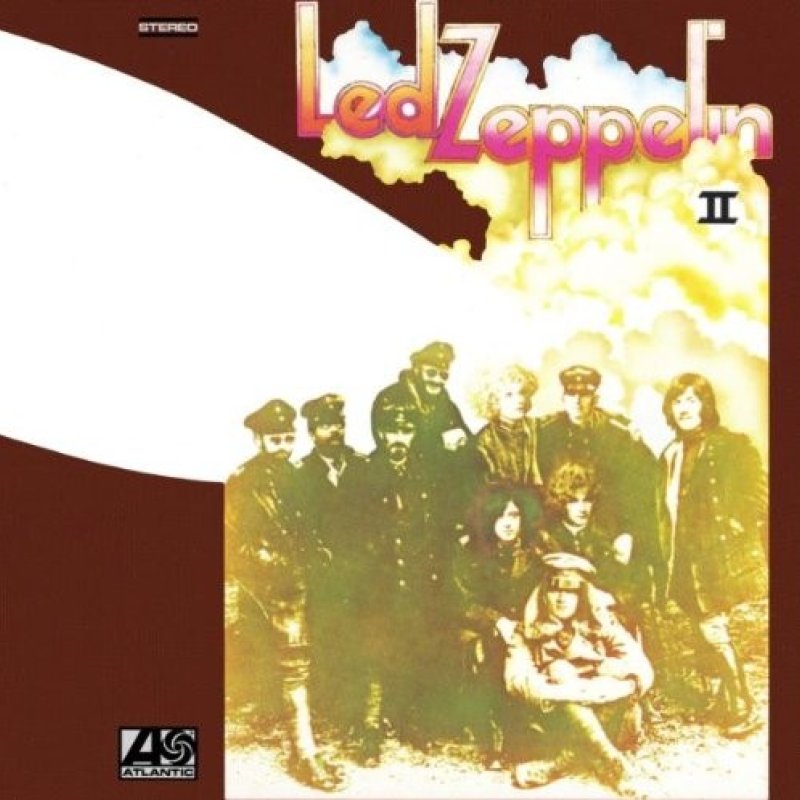
When Led Zeppelin decided to include Bring It On Home on their second album, Led Zeppelin II, released in 1969, they gave it their own spin. The British band, formed by Jimmy Page, Robert Plant, John Paul Jones, and John Bonham, recorded the song between January and August 1969 in various studios in the United States and the United Kingdom. The production of the album, including this track, was the responsibility of Jimmy Page, with Eddie Kramer as engineer. The introduction to their version is a clear homage to the performance of Sonny Boy Williamson II, but from there, Page and Plant developed an original composition. Plant's harmonica part, for example, was recorded in Vancouver while the band was on tour, demonstrating a flexible way of working and taking advantage of emerging opportunities. This song, with its duration of 4:21, became part of an album that showcased the evolution of Led Zeppelin's style, blending blues influences with their characteristic guitar riff-based sound. The song even resonated in later moments, such as at Jason Bonham's wedding in May 1990, where surviving members of Led Zeppelin performed it.
From album

Led Zeppelin II
Led Zeppelin · 1969 · Track 9
Details
Credits
Lyrics Willie Dixon
Music Jimmy Page, Robert Plant, Willie Dixon