The story behind
Brick House, according to DoReSol
When you dive into Brick House, you encounter a rhythm that invites you to move almost instantly. The foundation of this track, released in 1977, is built on a drum pattern that, according to accounts, was born unexpectedly. It is said that William King, one of the members of The Commodores, was out of the studio when his wife, Shirley, came up with the initial rhythmic pattern and some lyrical ideas. This detail gives the song a special air, as if it had emerged from a moment of spontaneous inspiration. The bass, played by Ronald LaPread, is fundamental to that infectious groove, with notes alternating between rhythmic and melodic, supported by a syncopated hi-hat pattern and a kick drum that marks a constant pulse. Added to this are the horn arrangements, which enter with precision, and the guitar with its "chicken-scratch" technique, all recorded at Motown's Hitsville West studios in Los Angeles.
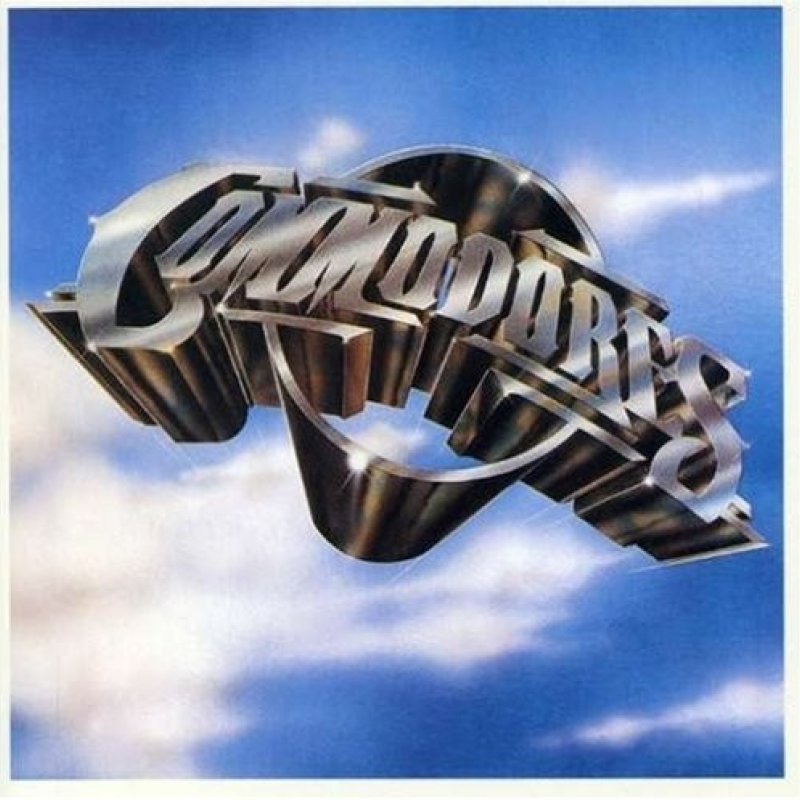
The song, released as a single in August 1977 and part of the self-titled album Commodores, became a hit that reached number 5 on the U.S. Billboard Hot 100 and number 4 on the U.S. R&B Chart. The title, Brick House, comes from a popular expression describing a woman with a strong and well-proportioned figure. The lyrics play with this idea, leaving a deliberate space in the chorus that suggests a more explicit word, a detail that gives it a playful touch. The lead vocals, a deep baritone handled by Walter Orange, perfectly complement the energy of the track. This song, along with Easy, demonstrated the versatility of The Commodores, showing they could master both funk anthems and pop ballads. In 2024, French producer Young Pulse reinterpreted the song, maintaining its essence while adding modern production elements.
From album

Commodores
Commodores · 1977 · Track 6
Details
Credits
Lyrics Lionel Richie, William King, Walter Orange
Music Lionel Richie, Milan Williams, Ronald LaPread, Thomas McClary