Chords in progress
We have not analyzed this song audio yet. Once it is ready, you will see the chord player synced with the video.
The story behind
Blue Suede Shoes, according to DoReSol
The first time Blue Suede Shoes played in a studio, they weren’t looking for an anthem. They were searching for a rhythm that could bridge what were then separate worlds: the blues of nightclubs, the country on rural radios, and the pop starting to fill jukeboxes. Carl Perkins achieved it in 1955, but it was Elvis Presley’s version the following year that gave it an electric edge, turning it into a bridge between genres. It’s not just that rockabilly took shape here; it’s that, for the first time, the sound of Scotty Moore’s guitar and Bill Black’s bass moved with an urgency that still feels electric today. Moore’s two solos—short but precise—are like two rhythmic stabs cutting through the air before Elvis steps in with a voice that no longer asks for permission.
They recorded Elvis’s version in 1956, when he wasn’t yet the "King" but already drew crowds on television. RCA wanted their new signing—fresh from Sun Records—to record something that sounded like an instant hit, and Blue Suede Shoes was the perfect candidate. There was one catch: Perkins’ original was still on the charts, and Sam Phillips asked Steve Sholes, RCA’s producer, not to release Elvis’s single while Perkins’ was still hot. The strategy worked: Elvis’s version peaked at No. 20, while Perkins’ held at No. 1. Yet the most curious part is that Elvis recorded the song as a gesture toward Perkins after he suffered an accident. Moore later said they weren’t thinking about money, just returning the favor. And did they ever: the song made it onto Elvis’s first album, was released in three formats in March 1956, and years later, Rolling Stone ranked it among the 500 greatest of all time. But what remains, beyond the numbers, is that raw energy still pulsing in every note.
From album

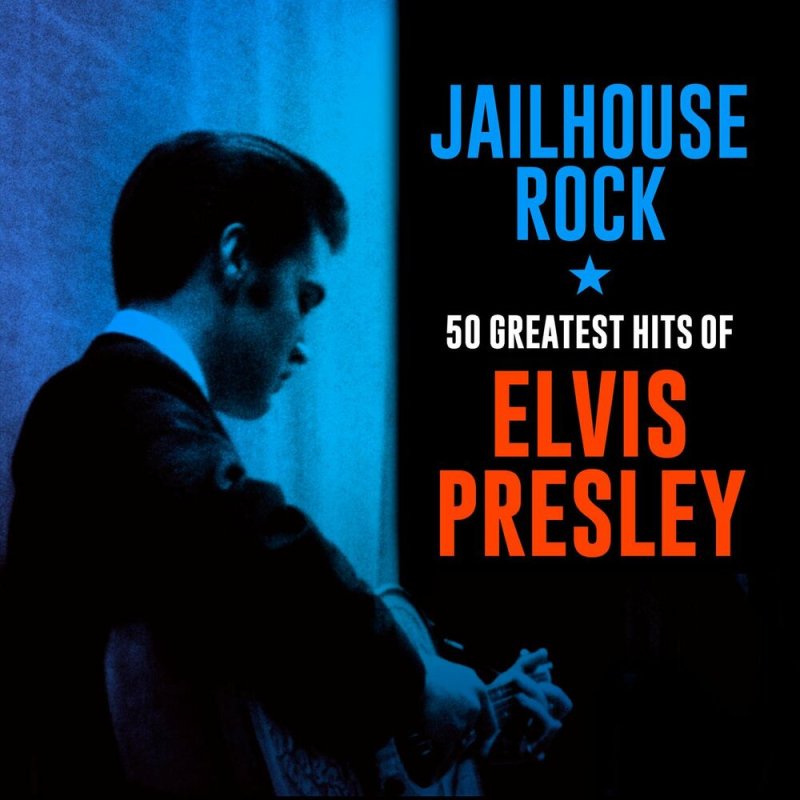
Jailhouse Rock
Elvis Presley · Track 4
Details
Credits
Lyrics Carl Perkins
Music Carl Perkins