The story behind
Blue Moon, according to DoReSol
The melody of Blue Moon, born in 1934 from the pen of Richard Rodgers and Lorenz Hart, has the particularity of being one of the first to employ the well-known "50s progression," a harmonic pattern that would become a pillar for ballads. This song has resonated through the years, reaching a peak of popularity in 1949 with versions by Billy Eckstine and Mel Tormé. In 1961, the interpretation by The Marcels catapulted it to the top of the charts, both on the Billboard 100 and the UK Singles Chart. The list of artists who have covered this piece is extensive and includes names such as Frank Sinatra, Billie Holiday, Sam Cooke, Dean Martin, Bob Dylan, and, of course, Elvis Presley. Interestingly, Blue Moon has also become the unofficial anthem of the Manchester City football club. In Brazil, a version adapted by pianist César Camargo Mariano served for a long time as the opening theme for the television show *Comando da Madrugada*.
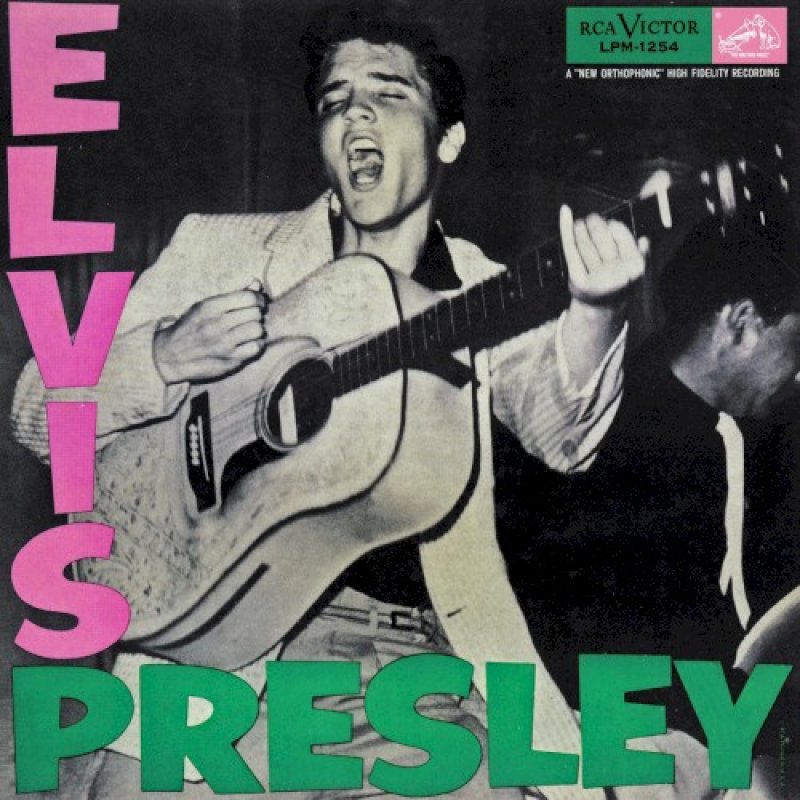
Elvis Presley's version of Blue Moon was included in his self-titled debut album, released by RCA Victor in March 1956. The recording sessions for this record took place at RCA's studios in Nashville, Tennessee, in mid-January, and then in New York at the end of that same month. The recording engineer and producer for these sessions was Sam Phillips. This album marked a milestone, spending ten weeks at number one on the Billboard Top Pop Albums chart and being the first rock and roll record to reach the top of a chart. The recording of Blue Moon has a duration of 2:41. Elvis Aaron Presley, born in Tupelo, Mississippi, in 1935, moved to Memphis, Tennessee, in his teens. It was there that, in 1954, he began his musical career, driven by Sam Phillips, who saw in him the potential to expand African American music. Along with Scotty Moore and Bill Black, Elvis pioneered rockabilly, a fusion of country and rhythm and blues. After signing with RCA Records, his single *Heartbreak Hotel* became a number one hit in January 1956, consolidating his status as a central figure of rock and roll.
From album

Elvis Presley
Elvis Presley · 1956 · Track 11
Details
Credits
Lyrics Lorenz Hart
Music Richard Rodgers