Chords in progress
We have not analyzed this song audio yet. Once it is ready, you will see the chord player synced with the video.
The story behind
Blackbird, according to DoReSol
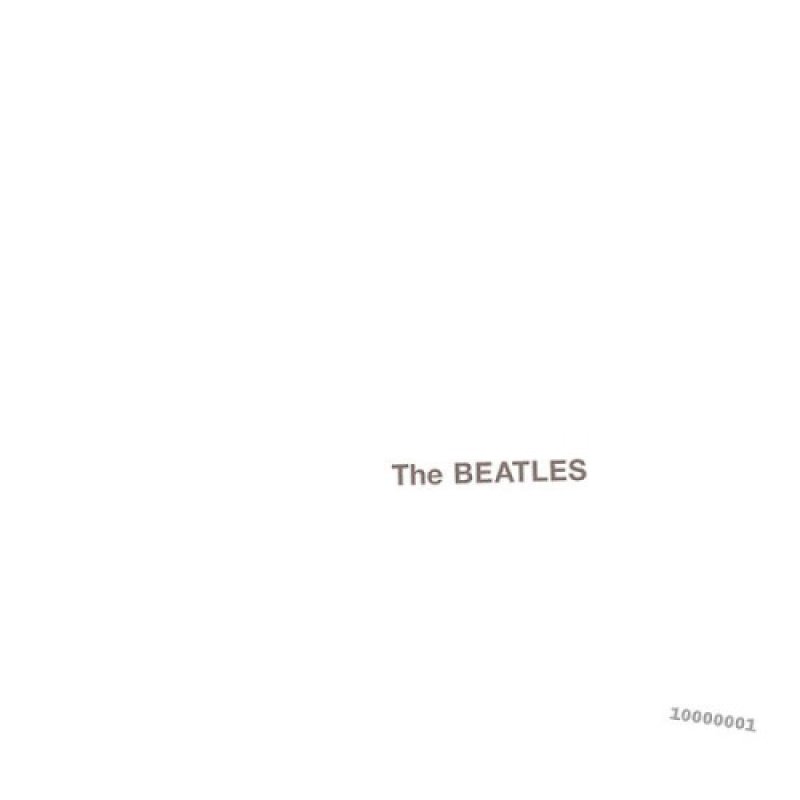
There is a piece that, although it sounds like a simple acoustic guitar melody, carries layers of meaning and a story intertwined with crucial moments of the 1960s. We are talking about Blackbird, a composition that Paul McCartney created solo for The Beatles' 1968 double album, popularly known as *The White Album*. What makes this song especially interesting for those who play it is its structure, partly inspired by a piece by Johann Sebastian Bach. McCartney adapted a fragment of the Bourrée in E minor, a well-known lute work that he and George Harrison tried to learn in their youth, giving it his own twist and moving it to the major key. This classical influence is perceived in how the melodic and bass notes intertwine, creating a rich harmonic foundation that supports the delicacy of the voice. It was recorded on June 11, 1968, at EMI Studios in London, with George Martin as producer and Geoff Emerick as sound engineer, and its duration is just 2:19.
Beyond its musical construction, Blackbird is a song that has generated various interpretations of its meaning. McCartney has shared that the initial inspiration came from hearing the song of a blackbird while in Rishikesh, India, and also from the deep turmoil of the civil rights movement in the southern United States. In later conversations, such as one he had in Dallas, Texas, in May 2002 with DJ Chris Douridas, McCartney explained that the idea of "you were just waiting for this moment to come" referred to the struggle of Black people in the southern states, using the blackbird as a symbol. Even in 2018, he suggested that the term "blackbird" could be interpreted as "black girl" in the context of the racial issues of the 1960s in the United States. The first time his future wife, Linda Eastman, stayed at his house, McCartney played it for the fans waiting outside, a gesture that underscores the personal connection and the moment of its creation.
From album

The Beatles
The Beatles · 1968 · Track 11
Details
Credits
Music Paul McCartney, John Lennon