The story behind
Balla Linda, according to DoReSol
When Lucio Battisti and Mogol joined forces to create Balla Linda, they not only brought a song to life, but a story that unfolds with a particular narrative. Initially, the lyrics introduce Linda in an unconventional way, highlighting her supposed flaws and comparing her to a previous relationship that left the protagonist disillusioned. However, the song evolves, and what begins with melancholy transforms into an enthusiastic invitation to dance. It's as if, as the piece progresses, the memory of the negative fades to make way for the pure joy that Linda represents, a purity that some have compared to the lightness of living that Nietzsche explored.
The gestation of Balla Linda had its peculiarities. Battisti began to shape it musically between late 1967 and early 1968, even having a rather peculiar working title: *Testicolo pulito*. It was in February 1968 that the music took its definitive form and Mogol contributed the lyrics, consolidating the title we know today. There was interest from Maurizio Vandelli and his Equipe 84 in interpreting it, but Battisti decided to reserve it for himself. Although today it may sound like a more traditional piece, at the time it was a distinctive sound, so much so that the record label Ricordi suggested making it more conventional, even asking to modify a verse to fit better with the expected rhymes. However, Battisti remained firm in his vision. The final arrangement was handled by Mariano Detto, who also suggested that Battisti play a crucial piano part, despite his initial doubts with the instrument, because he believed his performance would bring a unique sonority. The recording took place in the Ricordi studios in Milano, in several sessions between March and April 1968, including the rhythm section, strings, winds, choirs, and the main vocals, culminating in the complicated mixing process which was interrupted by a technical breakdown.
From album

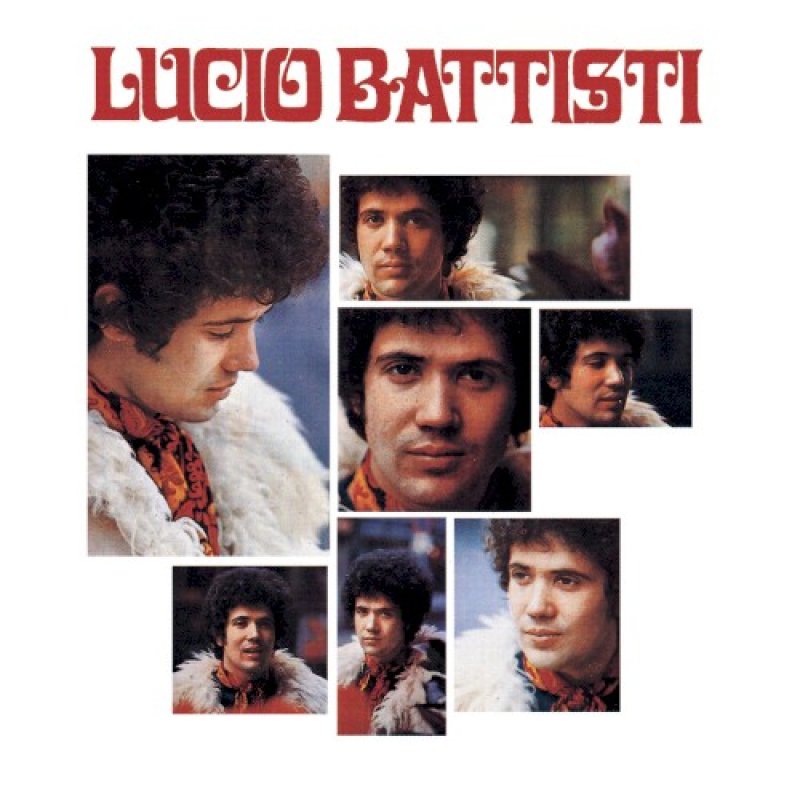
Lucio Battisti
Lucio Battisti · 1969
Details
Credits
Lyrics Mogol
Music Lucio Battisti