The story behind
Arde Buenos Aires, according to DoReSol
Arde Buenos Aires sounds like a cry that ignites and never fades. The track opens with a rhythm that bounces between ska and reggae, but instead of staying there, it leaps into a game of percussion that seems to bounce between the port and the city’s asphalt. It’s not just a song: it’s a sonic map where each instrument marks a step, as if the band had wanted to capture Buenos Aires’ constant motion in a single track. The bass and guitar intertwine with brass that sound like a street party, yet there’s something in the mix that makes it more urgent, as if the song couldn’t wait to be finished recording.
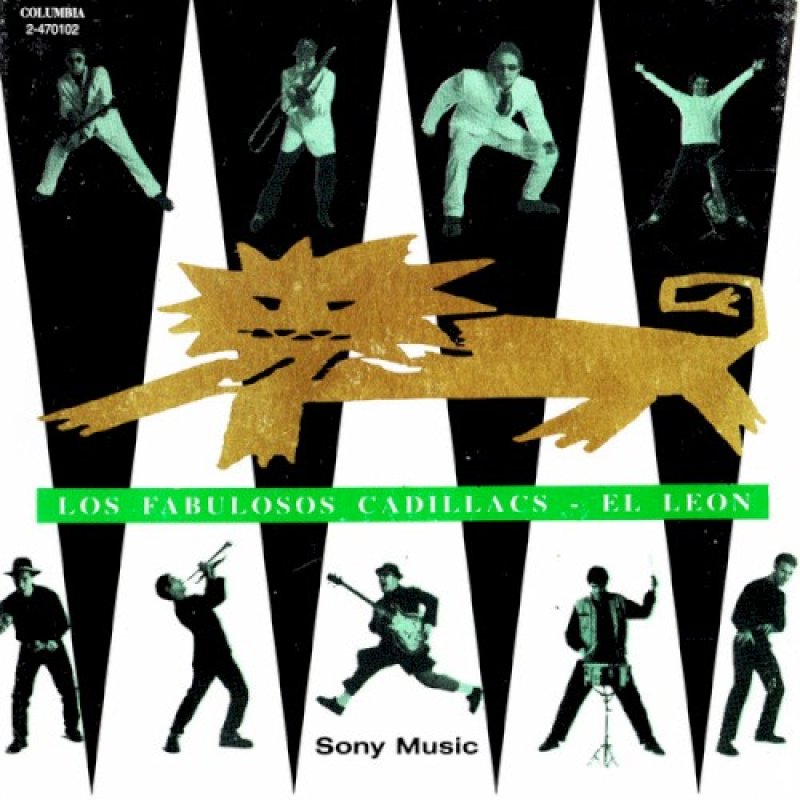
This track appeared on El León, the album Los Fabulosos Cadillacs released in 1992 and which, according to Argentina’s Rolling Stone list, ranked 21st among the best of national rock. It wasn’t the album’s first single—that was Carnaval toda la vida—but it was one of those that ended up sounding loud on radios and at shows. The band had already been blending genres in their previous records, but here the experiment feels more organic: the ska and reggae don’t sound like superimposed layers, but as a single language the band masters. The short runtime—3:15—is no accident: the track advances like a train that doesn’t brake, and in that time it achieves what others try to do in longer minutes.
From album

El león
Los Fabulosos Cadillacs · 1992 · Track 8
Details
Credits
Lyrics Sr. Flavio
Music Sr. Flavio