The story behind
29 settembre, according to DoReSol
The song 29 settembre, born from the collaboration between Lucio Battisti and Mogol in 1966, gained significant momentum in 1967 when performed by the band Equipe 84. This version not only climbed to the top spot in Italy, holding it for almost five weeks, but also solidified Battisti's career as a songwriter. Its sound and lyrical theme, with strong echoes of psychedelia, made it worthy of comparisons to the influential Sergeant Pepper's, earning it the nickname the "Sergeant Pepper's of Italy" for the impact it generated on the country's music scene.
The lyrics of 29 settembre address the theme of adultery in an unconventional way for the time. The story unfolds over two days: on September 29th, the protagonist meets a woman in a bar and, almost without realizing it, they end up spending the night together. The next day, September 30th, he wakes up feeling intact love for his usual partner, to whom he calls to declare his affection, as if the previous night had not happened. This approach, which presents adultery without remorse or guilt on the protagonist's part, was a bold reflection of Italian society in the 1960s, an era when this topic was almost taboo and pop music usually focused on idealized loves. The song's message, where a single day seems to erase any consequences, anticipated the sexual revolution that would manifest with the Sessantotto movement.
Beyond its theme, the narrative structure of 29 settembre also stood out for its innovation. Instead of presenting a single episode, the lyrics build a complex story that unfolds over two days. The narration is presented retrospectively: the events of September 29th are recalled by the protagonist upon waking the next day, using verb tenses like the imperfect or the remote past, while the events of September 30th are narrated in the present or perfect past. This flashback structure, marked by a vague and diffuse style, gives the memories a dreamlike, almost surreal quality, leading the listener to question whether the extramarital affair was real or simply a dream. This way of telling the story, with ellipses and details that seem distorted, was pointed out by Renzo Stefanel as comparable to the effects of a psychedelic trip. In 1969, Lucio Battisti himself performed the song, and later, other Italian artists also covered it, consolidating it as one of the most recognized pieces of Italian pop music.
From album

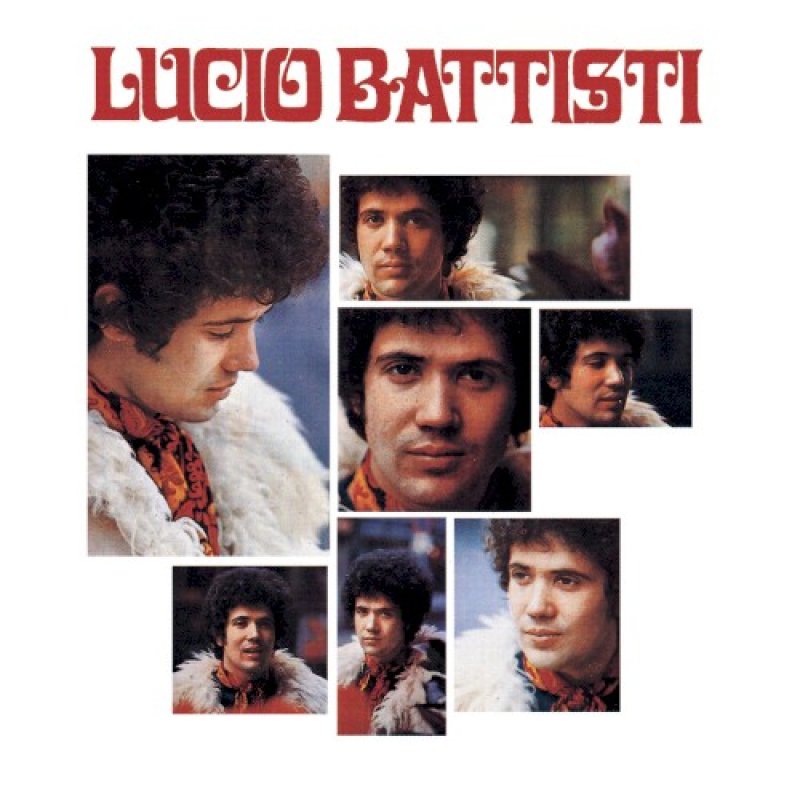
Lucio Battisti
Lucio Battisti · 1969
Details
Credits
Lyrics Mogol
Music Lucio Battisti, Renato Angiolini