The story behind
You Can Run, according to DoReSol
This song sounds like an intergalactic journey trapped in four minutes. The synthesized bass traces a line that repeats like a distant echo, while the drums mark a pulse that doesn’t quite fit traditional time. It’s not a mistake: it’s the band’s signature. The track You Can Run doesn’t ask for permission to sound different, and that’s exactly where its strength lies. Michael Score’s voice floats over layers of keyboards mimicking echoes from another planet, as if each note gets lost in the void before falling back down. It’s not just a song: it’s a warning disguised as a melody, a reminder that escape isn’t always possible.
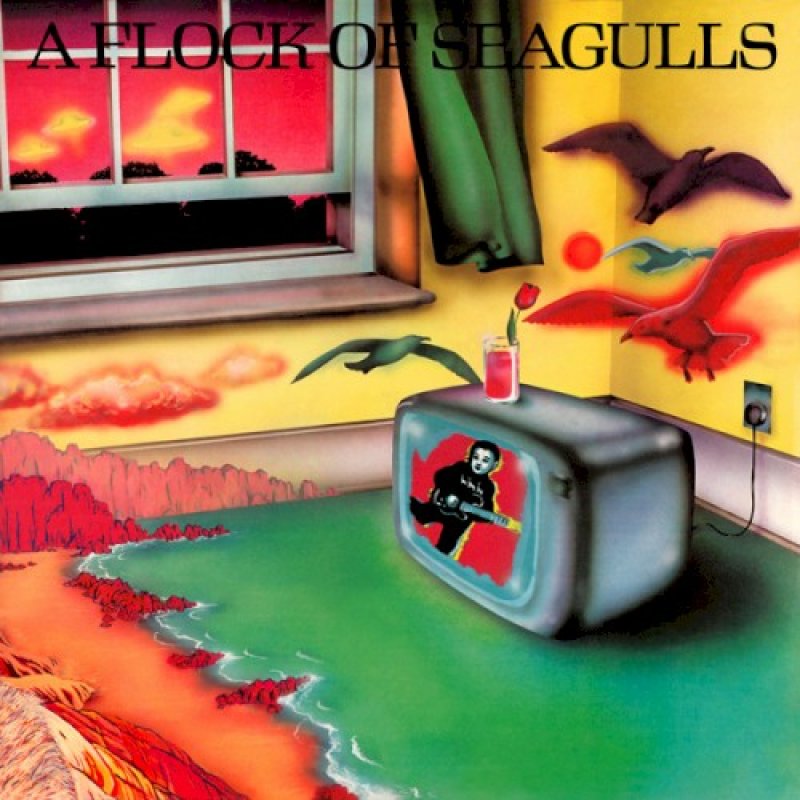
They recorded it in Liverpool, at a time when synthesizers still sounded like the future. Mike Howlett produced it with the idea that the sound should be as cold as the story it tells, and Mike Shipley made sure every layer of sound landed exactly where it belonged. The album A Flock of Seagulls came out in April 1982, but this particular track wasn’t aiming for massive success. It wanted to be something else: a piece of science fiction turned into music, with that bassline that seems to move in circles and that voice that sounds like someone screaming from very far away. The record ended up in the U.S. Top 10, but You Can Run didn’t rely on charts to exist.
From album

A Flock of Seagulls
A Flock of Seagulls · 1982 · Track 5
Details
Credits
Music Frank Maudsley, Paul Reynolds, Ali Score, Mike Score