The story behind
Who Can It Be Now?, according to DoReSol
The song Who Can It Be Now? by the Australian band Men at Work is characterized by its distinctive sound that blends pop rock with new wave elements. The story behind the lyrics is quite interesting: Colin Hay, the vocalist, composed the music in a treehouse built with his girlfriend in Bermagui, New South Wales, around 1979. However, the lyrics did not come until 1981, when he was living in an apartment complex in St Kilda, Victoria. There, the confusion with neighboring drug dealers led him to feel constant fear of opening the door to those who called. This experience of anxiety and the feeling of being besieged by strangers was translated into the song's lyrics, which reflect an internal struggle with loneliness and discomfort.
The recording of Who Can It Be Now? took place in early 1981, under the production of Peter McIan. A notable aspect of the song is its iconic saxophone riff, performed by Greg Ham. Originally, Hay had written this section to appear later, but McIan suggested placing it at the beginning, resulting in a memorable hook. During the recording, Ham improvised a saxophone solo that was integrated into the final version, adding a unique touch to the track. The song was released in May 1981 and quickly became a hit, reaching second place on the Australian charts and, later, number one in the United States in October 1982.
The impact of Who Can It Be Now? was significant, as it won the Best Debut award at the 1981 Countdown Australian Music Awards and was included in several compilations of 1980s music. The song not only became a symbol of new wave but also helped define the sound of Men at Work, which would go on to achieve further success with other tracks like Down Under. The mix of quirky humor and catchy melodies in this song makes it a standout piece in their repertoire and a classic that continues to resonate in music culture.
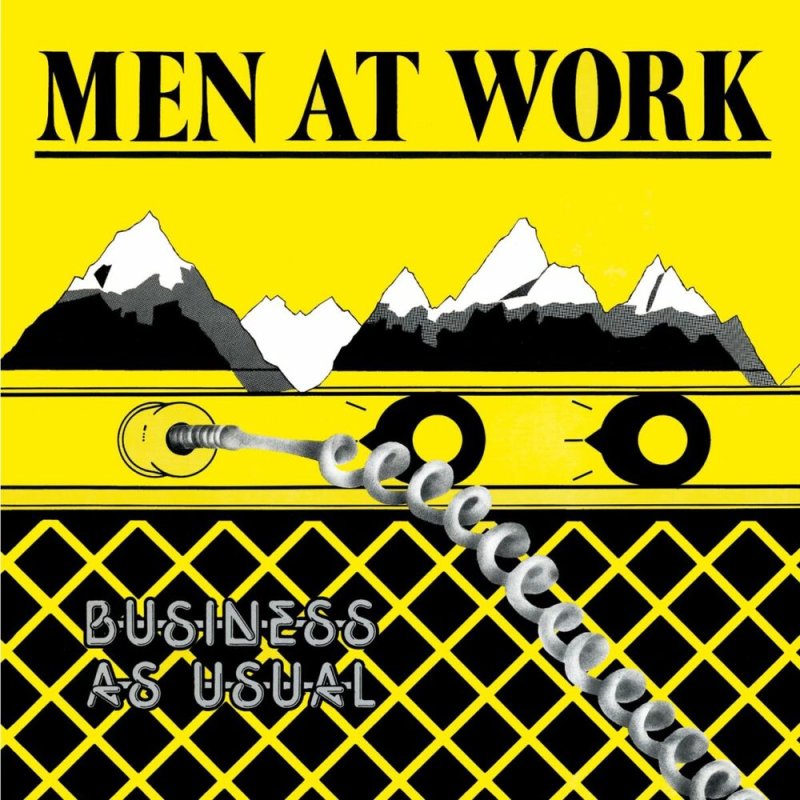
From album

Business As Usual
Men at Work · 1981 · Track 1
Details
Credits
Lyrics Colin Hay
Music Colin Hay