Chords in progress
We have not analyzed this song audio yet. Once it is ready, you will see the chord player synced with the video.
The story behind
Walkin' After Midnight, according to DoReSol
The story of Walkin' After Midnight is a good example of how a song can find its way, even after being rejected. Written by Alan Block and Don Hecht in 1954, the piece was initially intended for pop singer Kay Starr, but her record label did not approve it. It remained shelved until Hecht picked it up again. The first known recording was by Lynn Howard with The Accents in August 1956. Shortly after, in November of the same year, Patsy Cline recorded it.
At first, Cline did not feel a special connection with Walkin' After Midnight. However, after reaching an agreement with her label, she agreed to record it. It was in January 1957, during a performance on the television show Arthur Godfrey's Talent Scouts, where the song strongly resonated with the audience. Such was the positive response that it was decided to release it as a single in a hurry on February 11, 1957. This release became Cline's first major hit, reaching second place on Billboard's country chart and number 12 on the pop chart. Although it was her only hit until 1961, the single version sold over a million copies and is frequently included in lists of the best country music songs. In 2020, this 1957 recording was inducted into the Grammy Hall of Fame.
The composition of Walkin' After Midnight was conceived in a context where Hecht, after signing with 4 Star Records, was looking for the ideal artist for his creations. He was impressed by Cline's voice and felt that her style was perfectly suited to pop music. The song, originally written in B-flat, was recorded at the Bradley Film and Recording Studio on November 8, 1956, along with other pieces such as A Poor Man's Roses (Or a Rich Man's Gold), a song that Cline preferred. The recording featured musicians of the caliber of Harold Bradley, Grady Martin, and Bob Moore, who would become part of the renowned "Nashville A-Team". The sound of Walkin' After Midnight is described as a fusion of country pop with touches of jazz, traditional pop, and blues, with instrumentation that included acoustic guitar, drums, piano, steel guitar, electric guitar, and acoustic bass. Critics have highlighted its "upbeat" rhythm and a distinctive sound for the time, anticipating the successful country-pop fusion that Cline would achieve in the 1960s.
From album

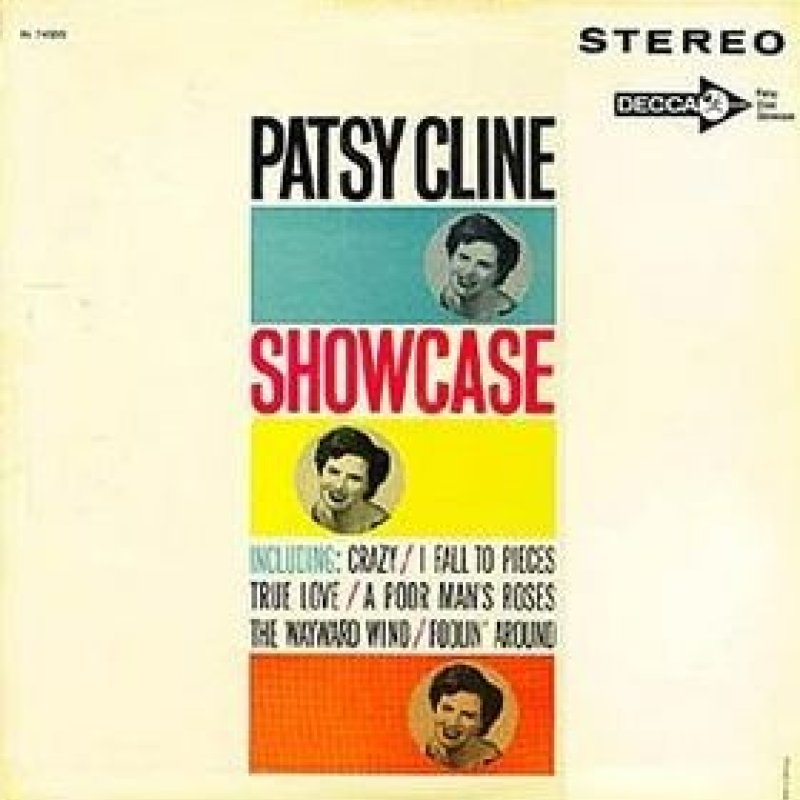
Showcase
Patsy Cline · 1961 · Track 10
Details