The story behind
Tangerine, according to DoReSol
The song Tangerine by Led Zeppelin brings us a melancholic atmosphere, woven with the warmth of an acoustic guitar and the ethereal touch of a pedal steel. It is a ballad that evokes nostalgia for a love that has gone, built on a chord pattern that feels familiar and comforting. What's interesting is how Jimmy Page, the main composer, manages to make two acoustic guitar parts, one on a six-string Giannini Craviola and another on a twelve-string, merge almost as if they were one when mixed. John Paul Jones's bass joins later, following the chord changes, while John Bonham's drums provide a solid and direct rhythm. Robert Plant, in addition to the lead vocals, adds a harmony line using the double-tracking technique, and Page complements with pedal steel fills, but giving them a particular twist with a wah-wah effect that moves away from the more traditional country sound.
This piece has roots that go back to Jimmy Page's time with The Yardbirds. In April 1968, they recorded demos at Columbia Studios in New York, including an early version titled Knowing That I'm Losing You. Although that version, produced by Page, was released in 2017 on the album Yardbirds '68 without Keith Relf's vocals, the essence of Tangerine was already present. The inspiration for the melody, according to biographer George Case, might have come from Jackie DeShannon. Later, to shape Led Zeppelin III, Page and Plant spent time at Bron-Yr-Aur, a rural retreat in Wales. There, surrounded only by acoustic guitars, handclaps, and harmonicas, they created material that would influence several songs on the album, including Tangerine, which captures that country sensibility. The song's recording sessions took place at Headley Grange, in East Hampshire, using the Rolling Stones Mobile Studio, and the final mix was done at Olympic Studios in London, with Andy Johns as engineer.
From album

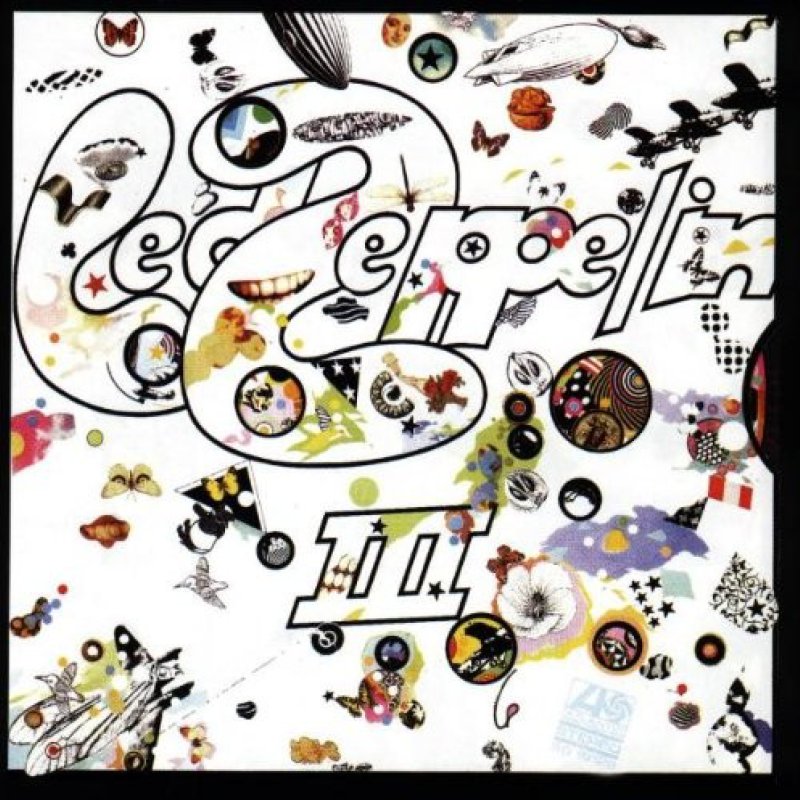
Led Zeppelin III
Led Zeppelin · 1970 · Track 7
Details
Credits
Lyrics Jimmy Page
Music Jimmy Page