Chords in progress
We have not analyzed this song audio yet. Once it is ready, you will see the chord player synced with the video.
The story behind
Synchronicity I, according to DoReSol
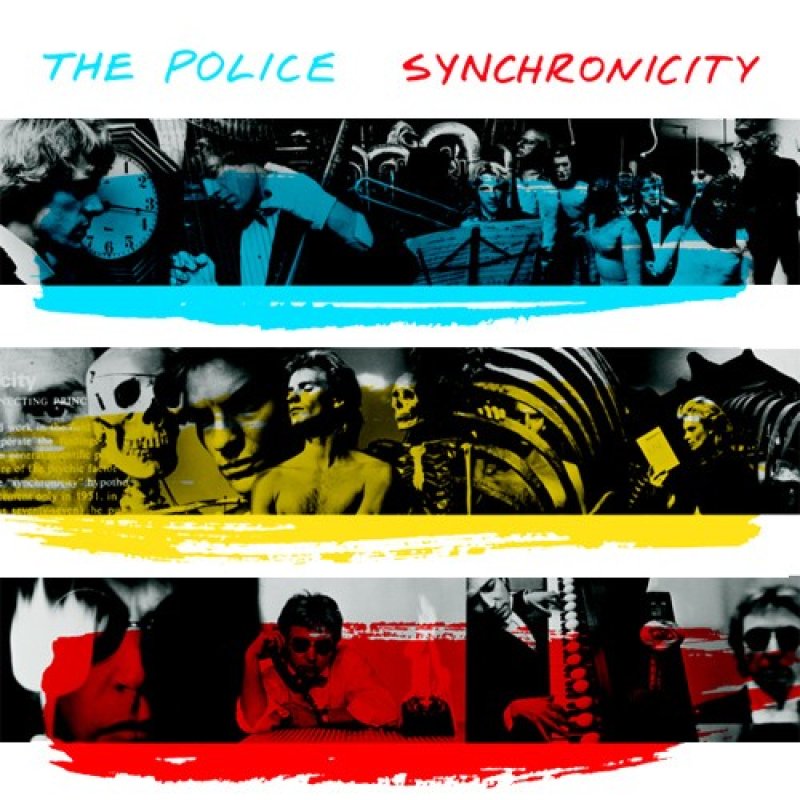
When you face Synchronicity I, the first thing that grabs your attention is its pulse. It's not a track that relies on a predictable structure; rather, it seems to build its own path through a repeating synthesizer pattern, something Sting composed. This piece, along with its better-known sibling, Synchronicity II, delves into Carl Jung's ideas on synchronicity, that concept of meaningful coincidences. It even borrows a term from a poem, "Spiritus Mundi," which refers to what Jung called the collective unconscious. It's interesting how, on an album that contained massive hits, this song stands out for its focus on more complex textures, almost as if the band was exploring less-traveled sonic territory.
The recording of Synchronicity I took place between late 1982 and early 1983, using studios in Montserrat and then Quebec. While in Britain and the United States it remained part of the album Synchronicity, in Japan it had a single release, with "Someone to Talk To" as the B-side. Stewart Copeland himself has commented that the distinction between "Synchronicity I" and "Synchronicity II" sometimes became confusing for the band, but he associated it with Sting's sequencer part, that distinctive sound that many believed was a percussion instrument. For the band, starting their concerts on the Synchronicity Tour with this song was a statement of intent, a powerful beginning that demanded a lot of energy. Originally, it was thought to join both pieces with an instrumental interlude, an idea that included experimentation with guitars and oboes, but which ultimately did not materialize. On the 2024 reissue, that section appears under the title Loch.
From album

Synchronicity
The Police · 1983 · Track 1
Details