Chords in progress
We have not analyzed this song audio yet. Once it is ready, you will see the chord player synced with the video.
The story behind
Parchman Farm, according to DoReSol
John Mayall & the Bluesbreakers bring Delta blues to its rawest essence with Parchman Farm, a song that doesn’t sound like blues: it sounds like a memory burned into fire. Bukka White doesn’t sing about a prison; the Mississippi State Penitentiary becomes the stage where the weight of every verse falls like a hammer. The slide riff drags between unforgiving notes, and that raspy voice—between lament and defiance—doesn’t beg for pity, it only warns: “better not get involved.” The original 1940 recording captures that moment when blues still smelled of damp earth and the sweat of forced labor, before amplifiers gave it artificial shine.
Two minutes and thirty-eight seconds of pure truth, unadorned, where washboard by Washboard Sam strikes like the footsteps of prisoners at dawn.What today sounds like a historical document was, in its time, an act of silent rebellion. White arrived at the Chicago studio with twelve new songs, pushed by Lester Melrose, who sought fresh material amid an urban blues scene that already reeked of market trends. On March 7, 1940, between two days of recording, Parchman Farm was born: a one-chord blues that doesn’t toy with blue notes but with the cadence of someone who knows every word could be their last. The Okeh label released it into the air without echo, and even the Amsterdam News dismissed it as “folk music” that July, as if it deserved no more than a corner in the curiosities section.
White, who had been released from prison two years earlier after serving time for a shooting he justified as self-defense, never gave much thought to his time at Parchman Farm. But music does not forget: where he once sang of trains and loves, only the echo of chains remained. Decades later, when folk revived in the ’60s, artists like Bob Dylan rescued his legacy, but in 1940, that song was a whisper almost no one heard.
From album

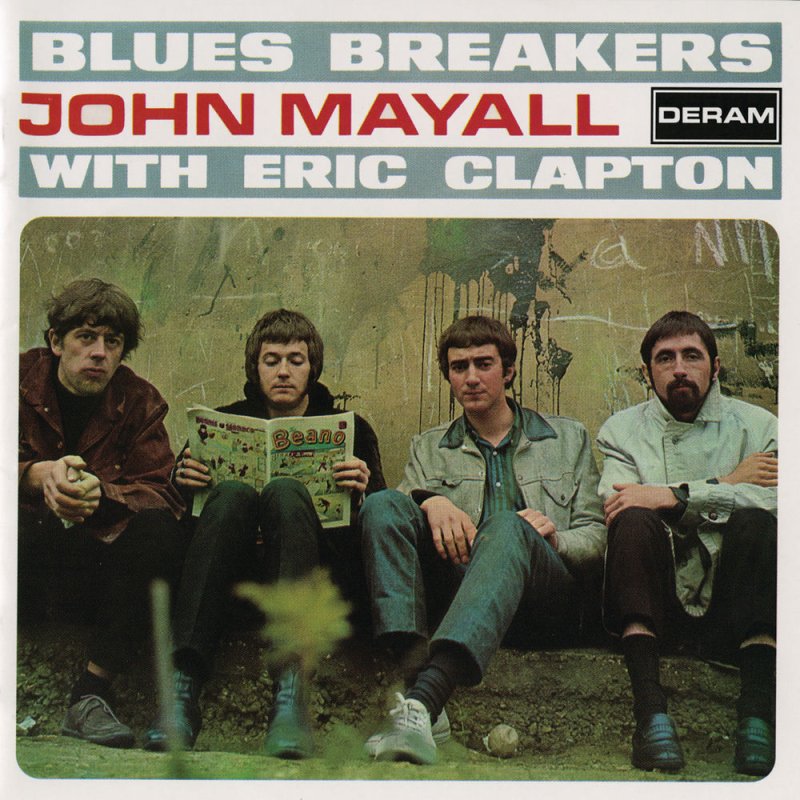
Blues Breakers With Eric Clapton
John Mayall & the Bluesbreakers · 1966 · Track 8
Details
Credits
Lyrics Mose Allison
Music Mose Allison