The story behind
Moby Dick, according to DoReSol
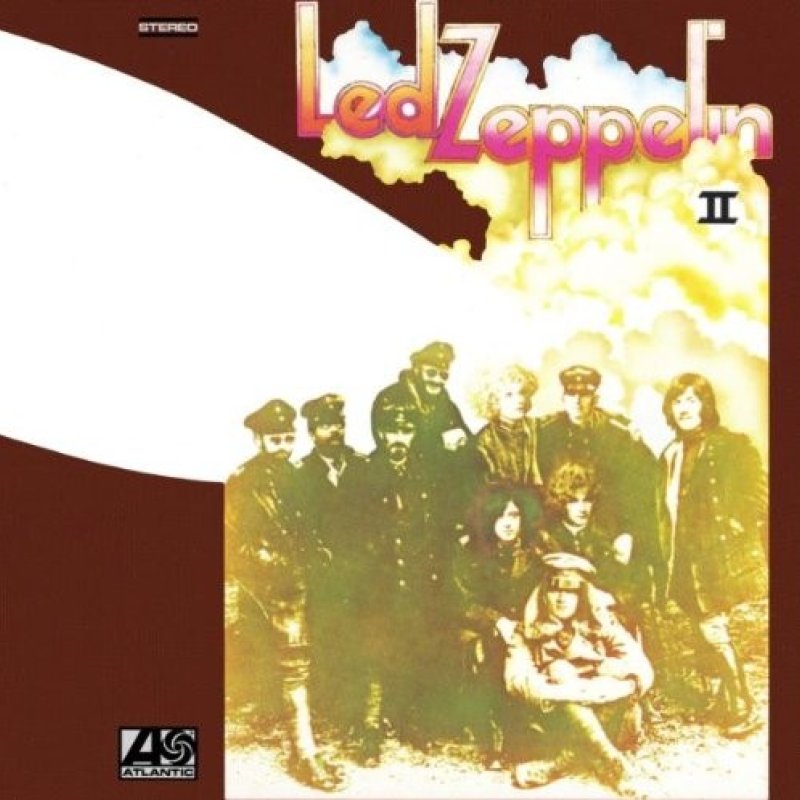
The song Moby Dick by Led Zeppelin is, in essence, a sonic canvas built around percussion. What makes it so particular is that, in its studio version, it is almost entirely a drum solo. The idea arose when Jimmy Page, the guitarist and producer, caught John Bonham improvising in the studio. Page recorded fragments of those improvisations and then assembled them, editing a much more extensive version than what we finally hear on the album Led Zeppelin II. The track is supported by a blues rock riff that appears at the beginning and end, performed by Page and John Paul Jones on their respective instruments, leaving the rest of the space for Bonham's exhibition.
This drum solo was not something new for Led Zeppelin's live performances. It began to be a prominent part of their concerts from their first tour of North America in November 1968, and remained so until 1977. In each performance, this moment transformed, lasting between 6 and 30 minutes, while the rest of the band left the stage. Over the years, this solo had different names: "Pat's Delight" in its early tours, in reference to Bonham's wife, and later "Over the Top" on the 1977 tour, incorporating the initial riff from Out on the Tiles. The main guitar riff, heard in Moby Dick, has its roots in a BBC session track called The Girl I Love She Got Long Black Wavy Hair, recorded in the summer of 1969, and also bears similarities to Bobby Parker's 1961 single, Watch Your Step.
From album

Led Zeppelin II
Led Zeppelin · 1969 · Track 8
Details
Credits
Music Jimmy Page, John Bonham, John Paul Jones