Home · Songs · The Clash · London Calling

London Calling

por The Clash · álbum London Calling

London Calling

Tonalidad Em Tempo 134 bpm Compás 4/4 Dificultad Intermedio 🇬🇧 Inglés
London Calling

The Clash — London Calling

Press play to sync the lyrics with the music

Key
Em
Capo
0
Text
Auto
◫ Cinema Mode Lyric Video
I play this one differently from the posting at
the archive. Corrections welcome. Turn the treble way up for best
Mick Jones (or maybe Mr. Strummer) sound. No solo except for
heavy feedback on a high B note (listen to the record).
Chords:
Em Am7 G D
7-----8----7----5-----------------------------------------------
8-----8----8----7-----------------------------------------------
9-----9----7----7-----------------------------------------------
9-----7----9----7-----------------------------------------------
7---------------5---------------------------------------------
------------------------------------------------------------
Intro
Em Am7 G Am7
Em Am7
London calling to the faraway towns
Em G
Now that war is declared and battle come down
Em Am7
London calling to the underworld
Em G
Come out of the cupboard, all you boys and girls
Em Am7
London calling, now don't look to us
Em G
Phony Beatlemania has bitten the dust
Em Am7
London calling, see we ain't got no swing
Em G
Except for the ring of that truncheon thing
Em G
The ice age is coming, the sun's zooming in
Em G
Meltdown expected the wheat is growing thin
Em G
Engines stop running but I have no fear
Em Em7 D
Cuz London is drowning and I live by the river
Em Am7
London calling to the imitation zone
Forget it brother, you can got it alone
London calling to the zombies of death
Quit holding out and draw another breath
London calling and I don't wanna shout
But while we were talking I saw you noddin' out
London calling, see we ain't got no highs
Except for that one with the yellowy eyes
The ice age is coming, the sun's zooming in
Engines stop running the wheat is growing thin
A nuclear error but I have no fear
Cuz London is drowning and I live by the river
Now get this
London calling, yes I was there too
An' you know what they said - well some of it was true!
London calling at the top of the dial
An' after all this, won't you give me a smile?
Em
I never felt so much a' like...
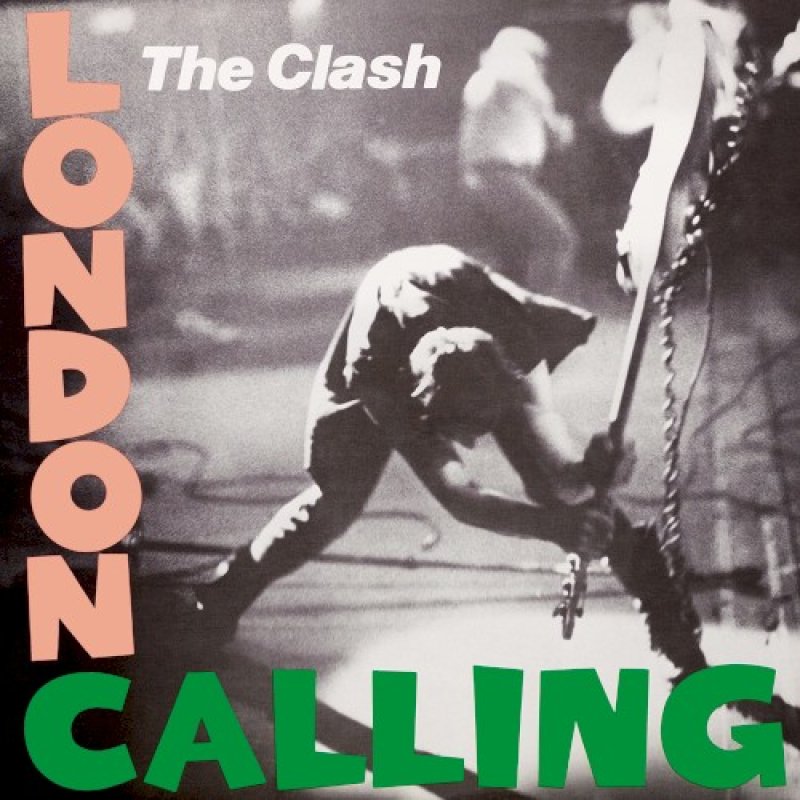
The third studio album by British punk band The Clash, titled "London Calling", was released on December 14, 1979 by CBS Records in the United Kingdom and in January 1980 by Epic Records in the United States. This record marked an evolution in the group's sound, incorporating genres such as ska, pop, soul, rockabilly and reggae, styles they had not previously explored. The lyrics address topics such as unemployment, racial tensions, drug use and adult responsibilities. The album was well received by critics and in 2003 was ranked eighth on Rolling Stone magazine's list of the 500 greatest albums of all time. In addition, the same publication considered it the best album of the 1980s. "London Calling" reached the top ten in the United Kingdom, and its lead single, also titled "London Calling", was notably successful on the charts. The album sold approximately two million copies worldwide and received platinum certification from the RIAA in the United States. After recording their 1978 album "Give 'Em Enough Rope" in the United States, the band parted ways with their manager Bernie Rhodes, which forced them to leave their rehearsal space in Camden Town and look for a new space to create music. Under the direction of their new manager Johnny Green, they found a rehearsal space called Vanilla Studios in Pimlico, located behind a garage. During the summer of 1979, they began working on their new album, influenced by rockabilly, ska, reggae and jazz. Jones was responsible for composing and arranging most of the music, while Strummer wrote the lyrics. In August 1979, the band entered Wessex Studios to record "London Calling". Despite the disapproval of CBS Records, Guy Stevens was chosen as producer. Stevens, known for his problems with alcohol and drugs, used unconventional methods, such as throwing chairs and ladders during sessions to create an intense atmosphere. However, The Clash maintained a good relationship with him, especially bassist Paul Simonon, who collaborated effectively with Stevens. During the recordings, the band would often play football to relax and strengthen their cohesion, which facilitated the recording process, completed in a few weeks with many songs recorded in one or two takes. The album title refers to a phrase used in BBC broadcasts during World War II: "This is London calling...", which translates as "Here is London broadcasting...". The album cover features a photograph of Simonon smashing his Fender Precision bass during a concert at the Palladium in New York on September 21, 1979, on the American tour "Clash Take the Fifth". The image was captured by Pennie Smith, who initially hesitated to use it as a cover due to technical considerations, but Strummer and graphic designer Ray Lowry chose it. In 2002, Q magazine named it the greatest rock and roll photograph of all time, highlighting its capture of the ultimate rock and roll moment: the total loss of control.