The story behind
Jump, according to DoReSol
What makes Van Halen's *Jump* so special, and what surely catches your attention if you're learning to play it, is that it breaks away from the rawer, guitar-driven sound the band had shown up to that point. Here, the protagonist is a keyboard, a catchy and brilliant riff that repeats and invites you to move. It's a change of direction that, for many, defined a significant part of the 80s sound. But make no mistake, the song doesn't completely abandon its roots; right at the perfect moment, that guitar solo you expect from Eddie Van Halen appears, demonstrating that the rock energy was still there, it was just now mixed with new textures.
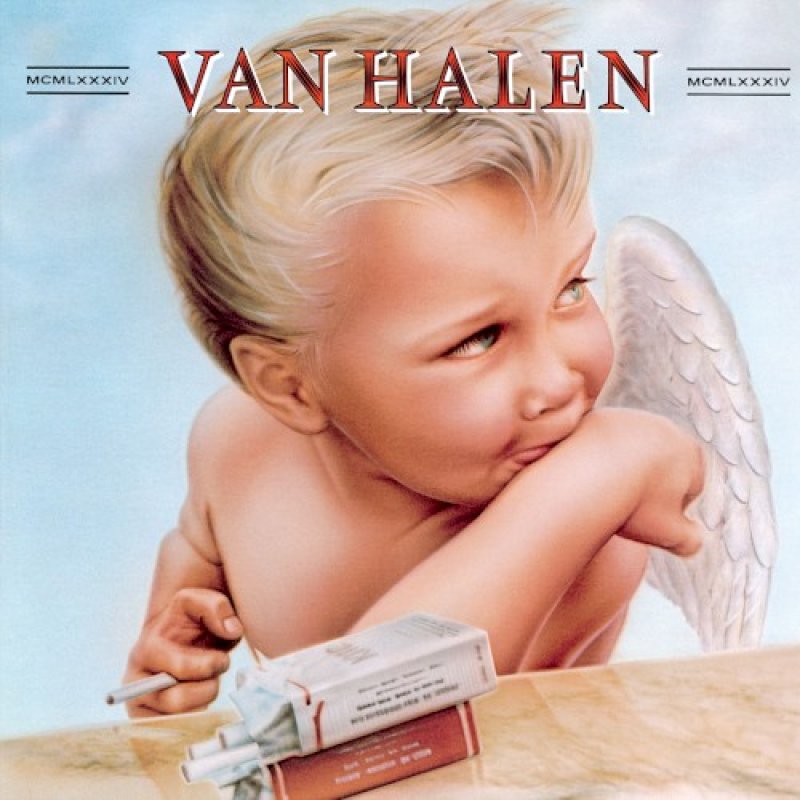
The story behind this track is quite particular. The idea for the main riff emerged around 1981, but the other band members weren't convinced. It wasn't until 1983 that producer Ted Templeman asked David Lee Roth to listen to that discarded idea. While traveling in his 1951 Mercury, Roth listened to the melody over and over. To find lyrics, he remembered seeing a news report the night before about someone who was about to jump. He thought that in such a situation, someone would shout 'go ahead, jump.' That idea, discussed with a friend, evolved into lyrics that invite action, living, and loving. The recording was done in Eddie Van Halen's newly built home studio, in a late-night session with engineer Donn Landee. They finished the vocals and mixing on the same day. The distinctive keyboard sound was achieved with an Oberheim OB-Xa, and the song was recorded at a tempo of 129 beats per minute in C major, with the guitar solo in B-flat minor. This track was the lead single from the album *1984*, released in December 1983, and it became Van Halen's biggest hit, reaching number 1 on the US Billboard Hot 100.
From album

1984
Van Halen · 1984 · Track 2
Details
Credits
Lyrics Alex Van Halen, David Lee Roth, Michael Anthony, Edward Van Halen
Music Alex Van Halen, David Lee Roth, Michael Anthony, Edward Van Halen