The story behind
In the Mood, according to DoReSol
When John Lee Hooker recorded I’m in the Mood in Chicago in 1966, he wasn’t aiming for commercial success, but rather to capture the raw essence of his blues. The song is built on a hypnotic groove that progresses without haste but without pause, where Hooker’s guitar and his raspy voice intertwine in a dialogue that feels improvised. The track doesn’t follow rigid structures: the rhythm flows freely, as if each note breathes on its own, something that had already defined his style for years. This sense of controlled boldness is what makes I’m in the Mood stand out even among his most well-known recordings, such as Boogie Chillen or Boom Boom. It’s not just a song, but a moment where blues becomes intimate and, at the same time, universal.
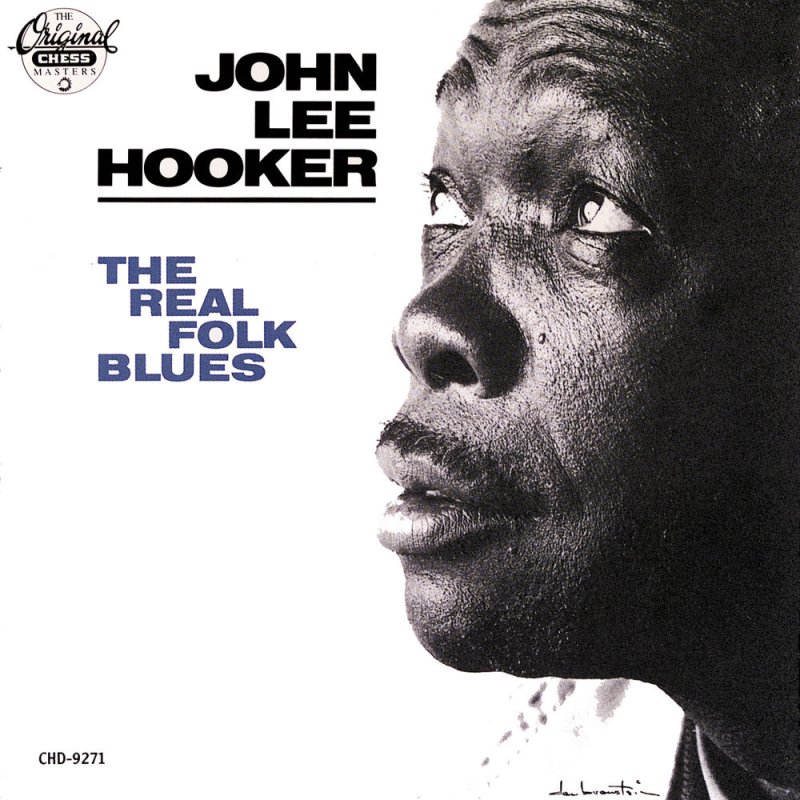
The track appeared on The Real Folk Blues, an album released that same year by Chess Records, but its origins date back to 1951, when Hooker first recorded it. The 1966 version, however, carries a different weight: it was produced by Ralph Bass and Marshall Chess, who gave it a more direct approach, without superfluous adornments. Chess wasn’t just any studio: it was where blues and rock classics were born, and in those sessions, Hooker found the perfect space for his sound—a blend of boogie-woogie and the free blues of the Delta—to resonate with the utmost authenticity. The song, clocking in at just two minutes and forty-four seconds, needs no more: its power lies in its economy of means and the immediate connection it forges with the listener.
From album

The Real Folk Blues
John Lee Hooker · 1966 · Track 5
Details
Credits
Music John Lee Hooker, Bernard Besman