Chords in progress
We have not analyzed this song audio yet. Once it is ready, you will see the chord player synced with the video.
The story behind
I'm Your Hoochie Coochie Man, according to DoReSol
The story behind I'm Your Hoochie Coochie Man is fascinating, especially when we consider how it came about. Imagine: in 1954, Willie Dixon, who would later become a key figure at Chess Records, already had a lot of songs in his repertoire. At first, the label's owner, Leonard Chess, didn't pay much attention to them. But in 1953, some of those compositions began to see the light of day, like "Too Late" recorded by Little Walter and "Third Degree" by Eddie Boyd, which was Dixon's first to hit the charts. Shortly after, in September of that same year, Muddy Waters recorded "Mad Love (I Want You to Love Me)", which is considered almost a test run for what was to come, due to its lyrical and musical similarities with the song we're discussing today. And it worked: it was Waters' first hit in almost two years.
But it was in January 1954, in Chicago, when the definitive version of I'm Your Hoochie Coochie Man was recorded. This song is a pillar of Chicago blues and marked a turning point for Muddy Waters, becoming one of his most recognized recordings. Willie Dixon, besides composing it, also played the bass. The lyrics draw on the swagger and themes of luck and sexual appeal that Waters had already explored before, but here a touch of folk magic, almost a conjuring, is added. The musical structure, with its rhythmic pattern that stops and starts (the stop-time), became so influential that it was integrated into the language of blues, R&B, jazz, and rock and roll. In fact, when Bo Diddley adapted it for his song I'm a Man, that pattern became one of the most distinctive musical phrases in blues. The song, released in June 1954, was later included on the 1958 album The Best of Muddy Waters and has been reinterpreted by countless artists, solidifying its status as one of the most covered pieces by Waters and Dixon. Its importance is such that the Blues Foundation and the Grammy Hall of Fame recognize it for its impact on popular music, and in 2004, the US Library of Congress selected it for preservation in the National Recording Registry.
From album

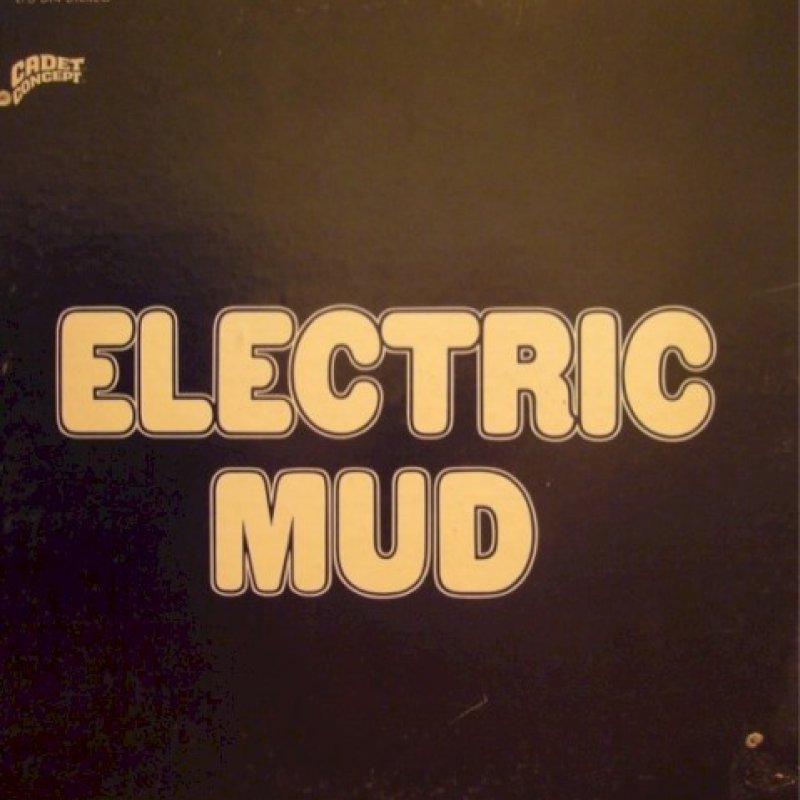
Electric Mud
Muddy Waters · 1968 · Track 2
Details
Credits
Lyrics Willie Dixon
Music Willie Dixon