The story behind
Hide in Your Shell, according to DoReSol
When you immerse yourself in Hide in Your Shell, you encounter a piece that goes beyond a simple song. It's an invitation to introspection, written by Roger Hodgson during a moment of deep personal reflection. He himself described it as an attempt to console himself and those who feel lonely or misunderstood. This song integrates perfectly into the concept of Crime of the Century, exploring themes such as alienation and human fragility, and becomes a fundamental pillar of the album's narrative.
Musically, Hide in Your Shell is distinguished by its rich texture and sonic layers. It begins intimately, with a soft electric piano and Hodgson's emotive voice, before growing towards a powerful chorus. The song fuses elements of progressive rock, pop, and orchestral-evoking arrangements, with a notable participation by John Helliwell on clarinet and saxophone. A key characteristic is its dynamic structure, which transitions between moments of contemplative stillness and emotion-filled crescendos. Vocal harmonies and overdubs, including multiple vocal tracks by Hodgson to achieve a choral effect, enrich its sound remarkably. The lyrics, meanwhile, address the tendency to withdraw emotionally and the search for understanding, with phrases that warn about the harshness of the outside world, but also offer a message of hope by suggesting that connection and authenticity can be healing. The chorus, with its plea to reclaim one's own space, reflects Hodgson's personal struggle to assert his identity. This song quickly became a staple of Supertramp's concerts, and has been performed by Roger Hodgson in his solo shows, often sharing the intimate origin of its creation.
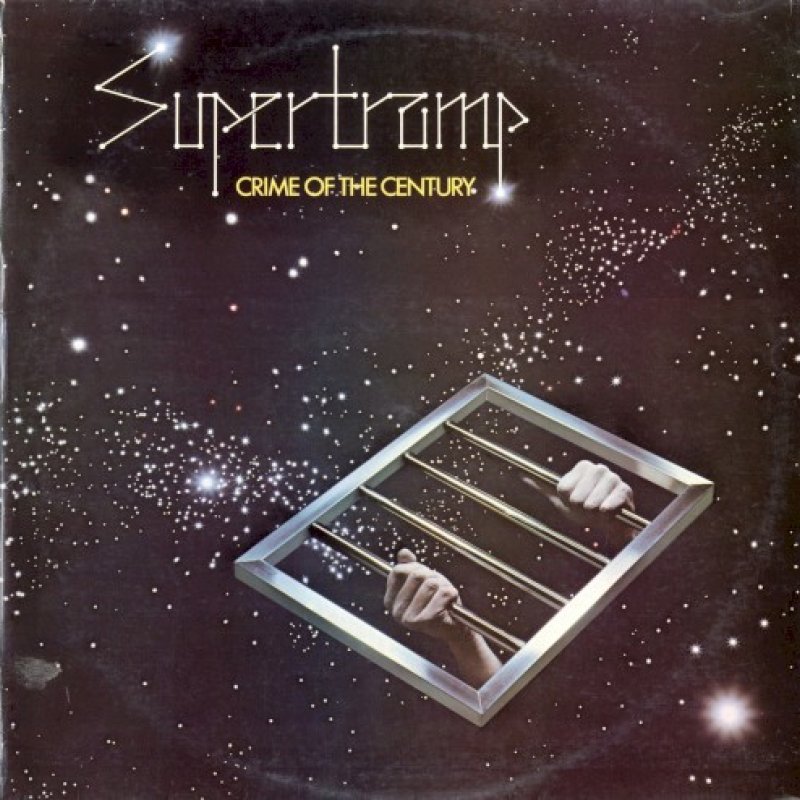
The album Crime of the Century, released in October 1974, marked a turning point for Supertramp in many markets. It reached the top positions in the UK, Canada, and Germany, and charted in the Top 20 in Australia and France. It was the band's first work to appear on the US charts, reaching number 38 on the Billboard 200. While the single Dreamer was successful in the UK, in the US it was its B-side, Bloody Well Right, that captured the public's attention. School also resonated strongly on album-oriented rock radio stations. By 1977, Crime of the Century had achieved Gold certification in the United States. The band, formed in 1969, had gone through different stages, but it was with this lineup, which included Roger Hodgson, Rick Davies, John Helliwell, Dougie Thomson, and Bob Siebenberg, that their sound evolved towards a more pop and art rock style, consolidating their reputation as a band with a strong live presence. The album Breakfast in America, released after Crime of the Century, would catapult Supertramp to global success, topping the charts in countries such as Germany, Australia, Canada, the United States, Spain, and France.
From album

Crime of the Century
Supertramp · 1974
Details
Credits
Music Rick Davies, Roger Hodgson