Chords in progress
We have not analyzed this song audio yet. Once it is ready, you will see the chord player synced with the video.
The story behind
Hey Lawdy Mama, according to DoReSol
The song Hey Lawdy Mama has deep roots in the blues, evolving over the years into a piece that stands out for its energetic rhythm and distinctive vocal phrasing. The lyrics invite a meeting by the river, creating an atmosphere of urgency and desire. This narrative approach, combined with simple yet effective instrumentation, makes it a classic that has resonated with many artists over time.
Throughout its history, Hey Lawdy Mama has been reinterpreted by various musicians, including jazz legends like Count Basie and Louis Armstrong. In 1943, Andy Kirk and his orchestra, featuring June Richmond’s vocals, reached the fourth spot on the Billboard R&B chart, further boosting its popularity. This version is characterized by its big band treatment, adding a brass section that enriches the song’s sound. Junior Wells’ 1965 recording with his Chicago band also gave it a fresh twist, keeping the essence of the blues alive while adapting it to his personal style. The recording of Hey Lawdy Mama took place in New York, and its legacy continues to influence the genre, demonstrating how a song can transform and adapt across different eras and styles.
From album

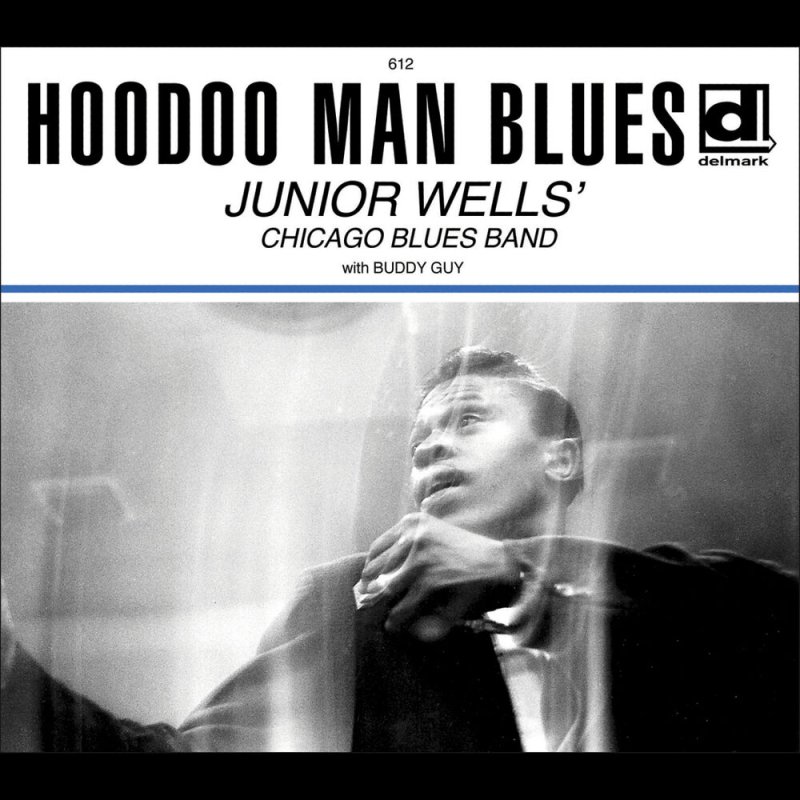
Hoodoo Man Blues
Junior Wells’ Chicago Blues Band · 1965 · Track 6
Details
Credits
Lyrics Buddy Moss
Music Buddy Moss