The story behind
Goodbye Newport Blues, according to DoReSol
The song Goodbye Newport Blues by Muddy Waters is a clear reflection of the evolution of blues in the 1940s and 1950s, a period in which Chicago became the epicenter of this musical genre. With a duration of 4:49, the piece stands out for its powerful and emotional sound, characteristics that were consolidated thanks to the innovative amplification technique that Waters incorporated into his style. This not only transformed his way of playing the guitar, but also brought a new dimension to the blues, making his music resonate deeply with listeners.
The release of Goodbye Newport Blues is framed in a context where Waters had already begun to leave his mark on music. In 1948, his 78 rpm single, along with other tracks such as I Can’t Be Satisfied and I Feel Like Going Home, marked a turning point in the history of the blues. Waters’ dark and powerful voice, combined with his ability to create an enveloping and urgent sound, captured the public’s attention and laid the foundations for the development of amplified music. This approach not only made him a standout performer in Chicago’s clubs, but also allowed him to influence future generations of musicians. The essence of Goodbye Newport Blues lies in its ability to connect with human emotions, a distinctive trait that continues to resonate in the world of blues.
From album

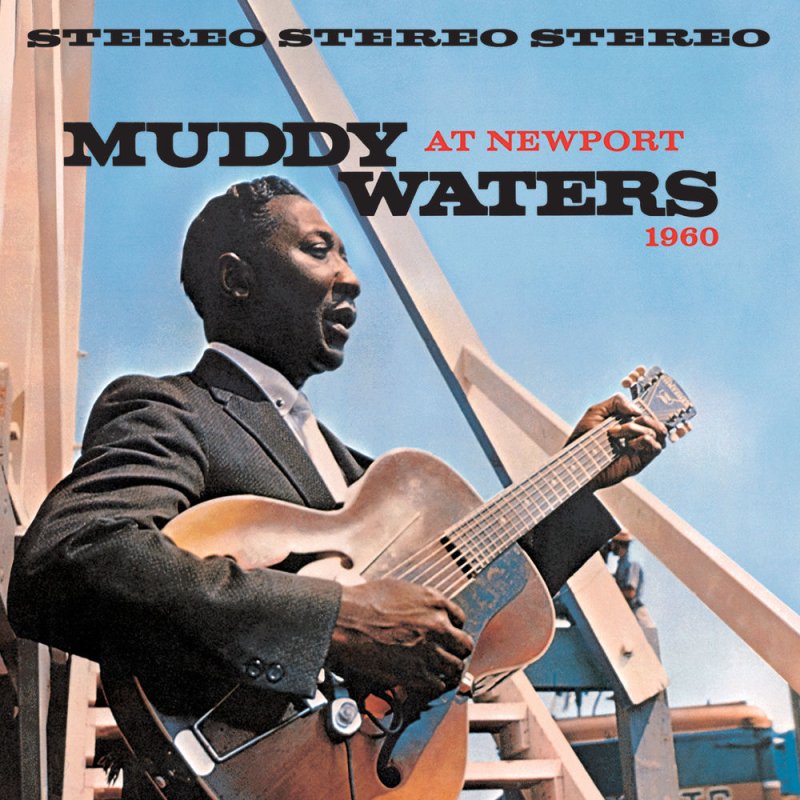
Muddy Waters at Newport 1960
Muddy Waters · 1960 · Track 9
Details
Credits
Music Muddy Waters, Langston Hughes