Chords in progress
We have not analyzed this song audio yet. Once it is ready, you will see the chord player synced with the video.
The story behind
El Rey del Compás, according to DoReSol
The King of Compass is a track that breathes the pulse of compás from the very first seconds. It is not just a song: it is a heartbeat that tangles in the ear and never lets go. The bandoneon and the violin challenge each other in a game of tensions that never fully resolves, as if each note were a dance step that moves forward without closing the circle. The rhythm never stops, yet it is never predictable: there is a sway between what seems like a four-beat measure and a break that diverts it, as if compás had a personality of its own and decided at times to defy its own structure.
The recording is a document of those moments when music becomes pure energy. They weren’t seeking perfection in the studio, but rather capturing the spark of a rehearsal or a live night. The result is a sound that feels urgent, as if each musician were improvising on the spot yet never losing their way. The short duration — two and a half minutes — is no accident: it is a nod to the tradition of compás, where the essential is conveyed in the least time possible, but with the greatest intensity.
From album

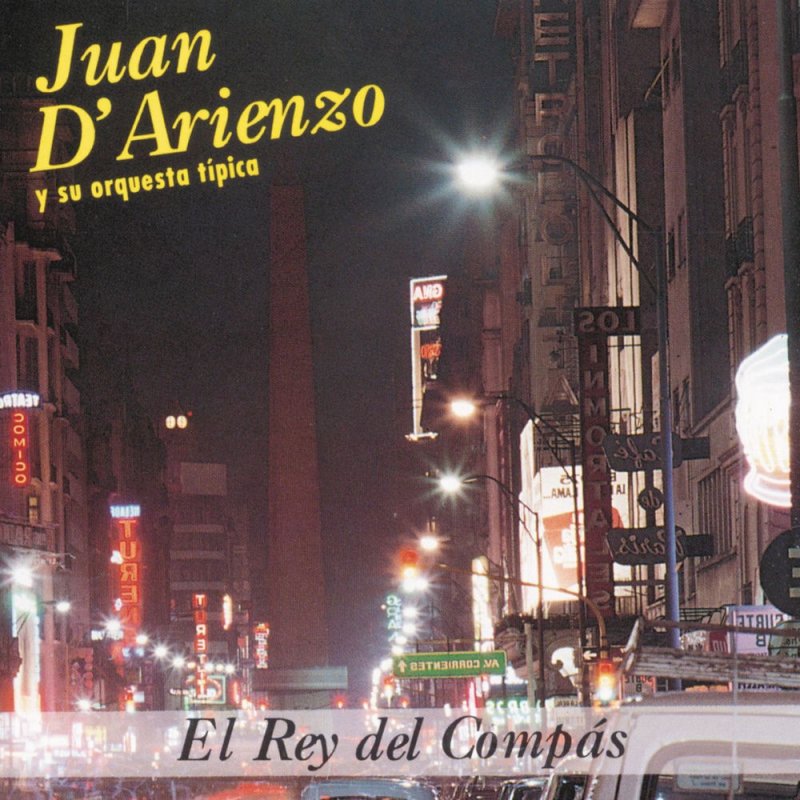
El Rey del Compás
Orquesta Juan D'Arienzo · 1990 · Track 28
Details