The story behind
Cuesta abajo, according to DoReSol
Downhill sounds like a non-stop journey: Gardel sings it with that mix of melancholy and elegance that made him unique, where each note seems to fall with the same naturalness with which tango moves between the street and the stage. The song doesn’t ask for permission to stay; it settles in the ear from the first measures and doesn’t let go until the end, as if time itself had stopped in those three and a half minutes. There’s something in its structure —so tight, so rounded— that makes it work just as well in a café in Buenos Aires as in a theater in France or in the memory of someone hearing it for the first time decades later.
It was recorded at a time when tango was no longer just a neighborhood rhythm, but a language that crossed borders. Gardel took it with him on tours through Colombia and other countries, as if it were a musical passport: the voice fading on stage, the bandoneon answering from the shadows, and those lyrics that, rather than telling a story, lived it in real time. That its name appears in the Memory of the World program of Unesco in 2003 is no coincidence: it’s recognition of a work that outlived its time, its mistakes, and even its own creator. The song is still there, on the Cuesta, descending as if the world hadn’t changed.
From album

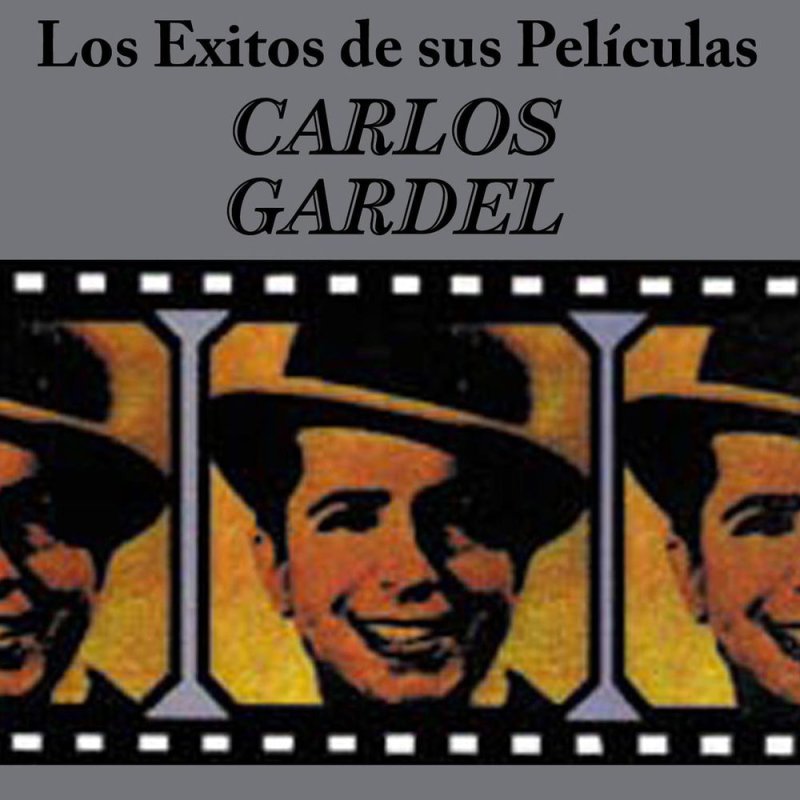
Los exitos de sus películas
Carlos Gardel · Track 4
Details
Credits
Lyrics Alfredo Le Pera
Music Carlos Gardel