The story behind
Carol, according to DoReSol
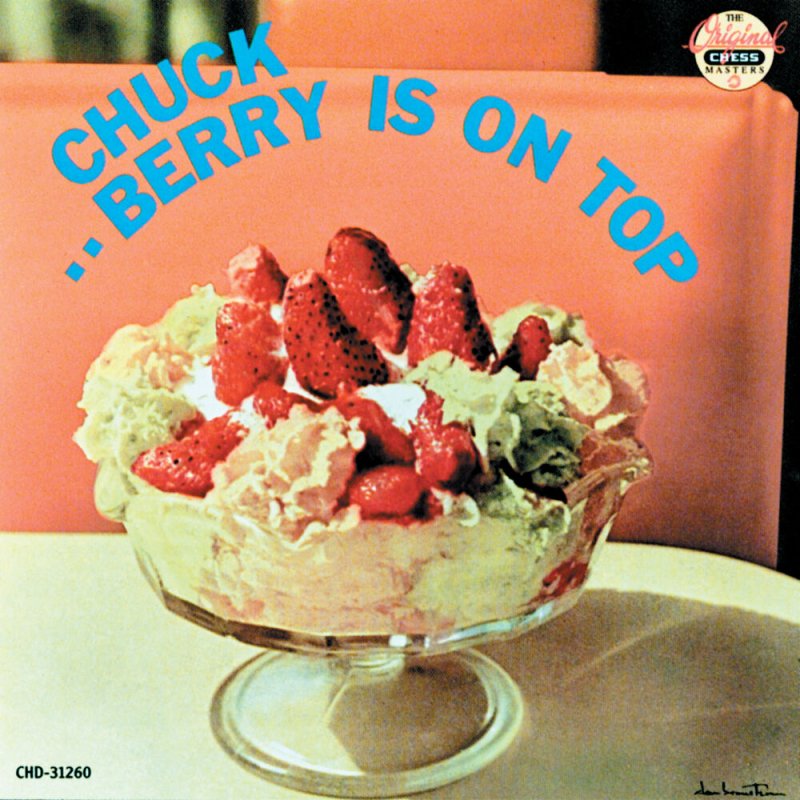
Carol is one of those songs that sounds like a manual on how a rock and roll track should sound. The guitar riff that opens it isn't just a hook: it's a signature. That pattern of short, repetitive notes, almost like a greeting, sticks in the memory from the first measure and never lets go. It's no coincidence that, decades later, musicians like The Beatles or The Rolling Stones included it in their repertoires: that riff is the DNA of the genre. The original recording, made in June 1958 at Chess studios in Chicago, captures that raw, direct energy that would later define the sound of the era. The song reached position 18 on the Billboard Hot 100 chart and 12 on the R&B section, a modest success but enough for Chuck Berry to include it in his first compilation album, Berry Is on Top, the following year.
What's interesting isn't just that it's a classic, but how it was built. Berry wasn't looking for complications: a guitar that sets the rhythm, a drumbeat that hits without adornment, and a voice that tells a simple yet contagious story. The B-side, Hey Pedro, was a deliberate contrast: a lighter song to balance the weight of Carol. But it was the latter that endured. When The Beatles recorded it in July 1963 for their radio show Pop Go the Beatles, or when The Rolling Stones included it on their debut album and later on the live album Get Yer Ya-Ya's Out!, they weren't copying: they were acknowledging that, in just two minutes and twenty-one seconds, Berry had captured something essential. Even live versions, such as the one recorded in Oakland in November 1969, prove that the song withstands the test of time without losing its freshness. It's not just a song: it's a bridge between generations.
From album

Chuck Berry Is on Top
Chuck Berry · 1959 · Track 2
Details
Credits
Lyrics Chuck Berry
Music Chuck Berry