The story behind
Canto de Ossanha, according to DoReSol
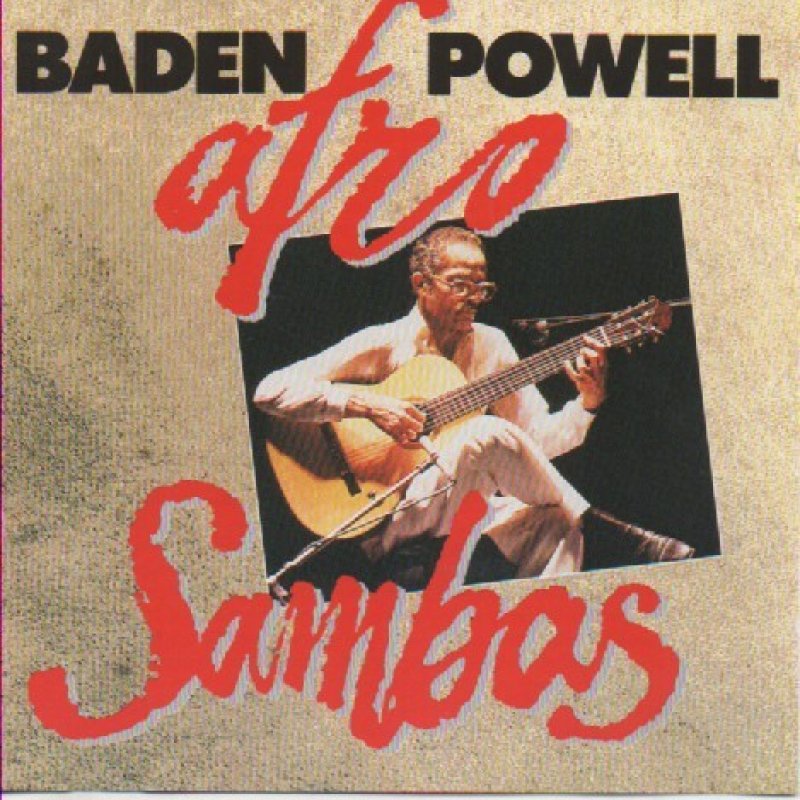
"Canto de Ossanha" is not just a song, but a bridge between two worlds. Its strength lies in how Baden Powell and Vinicius de Moraes wove sounds of candomblé with the samba of Bahia, creating something that sounds like a ritual but is danced like an afro-samba. The theme revolves around the rivalry between the orixás Ossanha and Xangô, but goes beyond: the lyrics play with negations that reveal hidden truths, as if each "no" were a mirror of what does exist. It is no coincidence that it opens Os Afro-Sambas, the album that marked this collaboration: it works as a threshold, paving the way for the other pieces.
The recording was born from a trip by Baden Powell to Bahia in 1966, where he was fascinated by recordings of candomblé and sambas de roda. The result was an arrangement enriched by Guerra Peixe, which included a dialogue between saxophones and percussion, something uncommon in samba at the time. Produced by Joachim-Ernst Berendt and Wadi Gebara Netto, the track has a duration of 3:39 and became a symbol of Brazilian syncretism with Africa, being re-recorded by artists such as Elis Regina, Elza Soares, and Mariza. Even Rolling Stone Brasil ranked it among the hundred best songs in the country.
From album

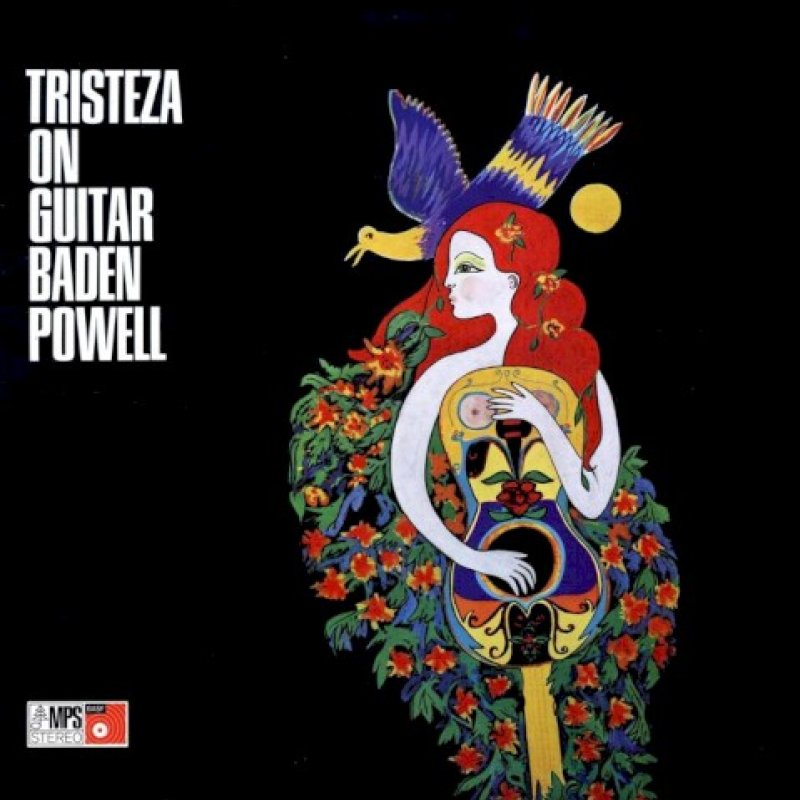
Tristeza on Guitar
Baden Powell
Details
Credits
Music Baden Powell, Vinícius de Moraes