The story behind
Amargura, according to DoReSol
Amargura is one of those pieces where tango becomes pure whisper. It is not the milonga that quickens the step nor the waltz that spins on the dance floor, but that moment when the voice breaks just before falling silent, as if the pain needed to breathe. The 3:57 recording does not get lost in adornments: the bandoneon enters with a short breath, almost a sigh, and Gardel follows it like someone walking on a tightrope without a net. There are no shouts or chest-beating here; only the stillness of a man who knows that sadness, when named, loses a little of its edge.
Gardel took it to the record in an era when tango was no longer just brothel music, but the language of an entire city. He spent his childhood in Buenos Aires, yet his voice ended up in airplanes, films, and records that crossed borders without asking permission. He died in Medellín in 1935, but his vocal register — that tremor some swear is still heard in the UNESCO archives — remains heritage. It was no coincidence: in 2003, the Uruguayan government proposed that his voice be part of the Memory of the World program, as if preserving it on paper and celluloid could capture what slips between the notes.
From album

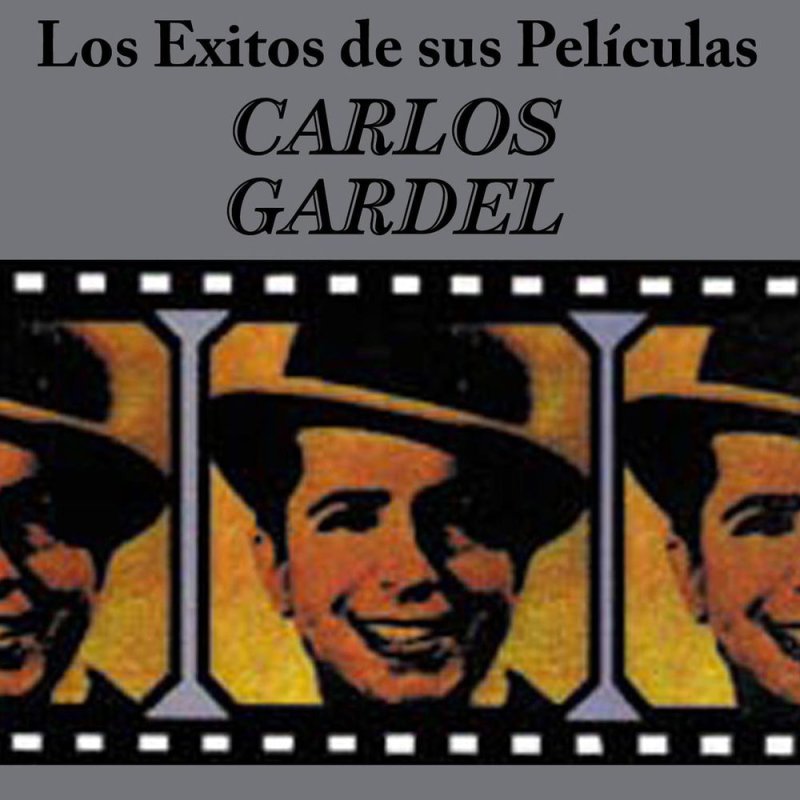
Los exitos de sus películas
Carlos Gardel · Track 8
Details
Credits
Music Carlos Gardel, Alfredo Le Pera