The story behind
Acrobat, according to DoReSol
The song Acrobat by U2 stands out for its musical and lyrical complexity. Born from a riff that guitarist The Edge created during a rehearsal in Auckland in 1989, the piece is characterized by its unusual 12/8 time signature, a rare meter in rock that gives it a distinctive feel. The lyrics tackle themes of hypocrisy and moral confusion, reflecting an internal struggle that Bono shares with the listener. This song is especially personal, as the vocalist confronts his own weaknesses and contradictions, making it one of the most introspective on the album Achtung Baby.
The recording of Acrobat was a challenging process. U2 ventured to experiment with their sound in a completely new context, working at Hansa Ton Studios in Berlin, a place that symbolized change and reinvention. During this time, the band immersed themselves in influences from industrial and alternative music, aiming to create something harder and more personal than their previous works. Producer Daniel Lanois felt disoriented by the direction the band took, as Bono wanted to explore his weaknesses rather than focus on his strengths. Despite the tensions, the final result is a song that, although not performed live until 2018, has resonated with many for its honesty and emotional depth. The line "Don’t let the bastards grind you down" encapsulates the essence of the personal struggle Bono conveys through his lyrics, making Acrobat a key piece in U2’s repertoire.
From album

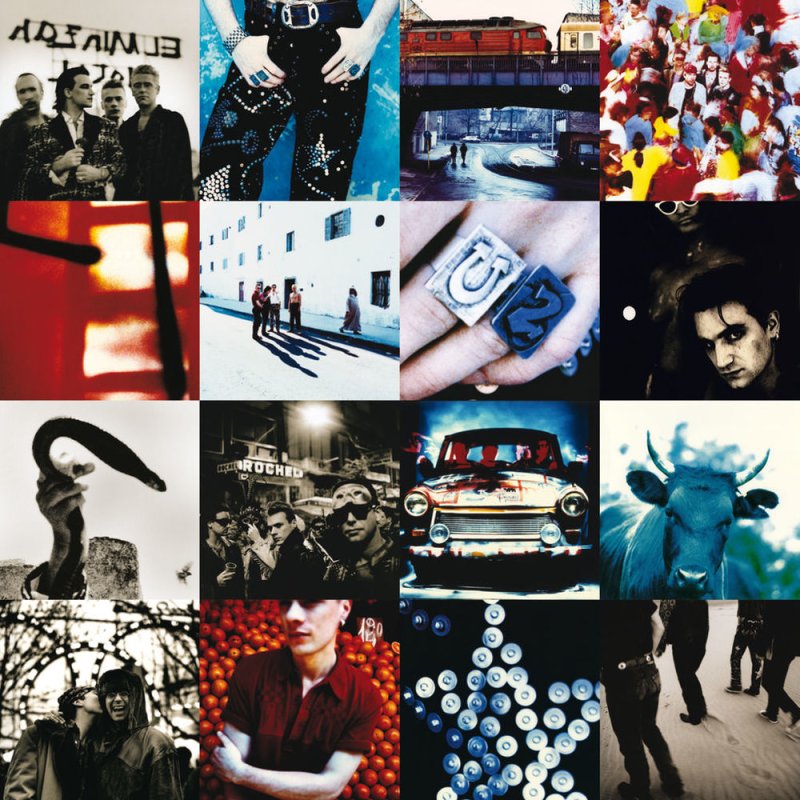
Achtung Baby
U2 · 1991 · Track 11
Details
Credits
Lyrics Bono
Music Bono, Adam Clayton, Larry Mullen, Jr., The Edge