


🇩🇴 DO · Dominican Republic · Chapter 5 of 6
The Modern Bachata: From the Bronx Neighborhoods to the World (1990–present)
The history of modern bachata did not mainly occur in Santo Domingo but in New York — specifically in the Bronx and Washington Heights, the neighborhoods where the Dominican diaspora built a version of their original culture mixed with hip-hop, R&B, and American pop that was playing everywhere.

That geographical mix — Dominican bachata plus New York urban production — was the laboratory that produced modern bachata: the genre that in the 2000s conquered Europe, in the 2010s conquered all of Latin America, and in the 2020s is one of the most listened to in the world.
Antony Santos and Raulín Rodríguez: the bridge
Before Aventura and Romeo Santos, there was a generation of bachata artists who took the work of Luis Segura and Blas Durán and modernized it from within: Antony Santos, Luis Vargas, and Raulín Rodríguez.
These artists — inspired by Blas Durán's innovations with the electric guitar — built on that foundation to create a more polished sound, more accessible to the Dominican and Dominican-American urban market. Their bachatas retained the raw emotion of the original genre but with productions that could compete on the radio stations that had rejected bachata years before.
As Romeo Santos recalled: "We are part of a group of many collaborators, many bachata artists. From the beginnings: Paniagua, Luis Segura, to name a few, to those who inspired us: Antony Santos, Luis Vargas, Raulín…"
Adventure: the band that changed everything
AventuraRomeo Santos (vocals), Henry Santos, Max Santos, and Lenny Santos — was formed in New York as a Dominican-American ensemble. Unlike most bachata groups based in the Dominican Republic, Aventura originated in the Bronx, where bachata, salsa, R&B, hip-hop, and urban sounds mixed. Their approach was to preserve the emotion of bachata while infusing fresh production, new instrumentation, and crossover potential.
In 2002, the song "Obsesión" — topped the music charts in France, Germany, Italy, the United States, and other countries. The song was number 1 in Italy for 16 consecutive weeks, and the phenomenon spread to Russia, Austria, France, Germany, Spain, the Netherlands, Belgium, Switzerland, Romania, Bulgaria, and even Israel.
"Obsesión" marks the before and after: the song that catapulted Aventura from local parties — where they were sometimes paid with soda and food — to the European charts. It consolidated the formula of urban bachata: contemporary R&B production over the rhythmic base of traditional bachata, intense love lyrics sung with the emotion of the original genre. Without "Obsesión", there would be no successful Aventura Group, much less a Romeo Santos.
For the Dominican community and their children born in the United States, "Obsesión" was the first time they heard bachata that simultaneously sounded like the countryside and the Bronx, like imported cassette and contemporary urban experience.
Aventura sold millions of records, filled Madison Square Garden and Yankee Stadium. They split up in 2011.
Romeo Santos: the King of Bachata
Anthony "Romeo" Santos — born in the Bronx, New York, on July 21, 1981, of Dominican and Puerto Rican descent — is recognized as the artist who brought bachata to its greatest global reach.
Since his solo career, Santos embraced collaborations with artists from all genres, pushing bachata towards pop, R&B, and urban sounds, while maintaining its roots in romantic and emotional lyrical content.
"Propuesta Indecente" — was his biggest solo hit: a fusion of bachata and tango with a bold seduction narrative that demonstrated the genre could contain narrative complexity without losing its identity.
Romeo Santos is listed in The New York Times' list of the best living songwriters in the United States — alongside Bob Dylan, Joni Mitchell, Stevie Wonder, Paul McCartney, and Bruce Springsteen. He is the only artist of Dominican descent on that list. His inclusion acknowledges something bachata fans have known for decades: that this Bronx genre had crossed all imaginable boundaries.
Prince Royce: the Prince of Bachata
Geoffrey Royce RojasPrince Royce — was also born and raised in the Bronx. His parents are from the Dominican Republic. Since his debut in 2011, he has built a career marked by the fusion with urban sounds that earned him the nickname "the prince of bachata."
"Stand by Me" — his bachata version of Ben E. King's classic — was his first big hit: the crossover that proved bachata could absorb American pop without losing its essence. His debut album sold over a million copies.
Prince Royce explains his mission: "As a singer or artist of any genre, you want to push, to grow more. For me, it has been an honor to see people from all over the world singing bachata, dancing bachata... I think about how I can represent the genre and keep it growing always."
Monchy & Alexandra: the classic duo
Monchy (Ramón Rijo) and Alexandra (Alexandra Cabrera de la Cruz) were the most successful bachata duo from the Dominican Republic in the nineties and two-thousands: two voices that complemented each other with a precision reminiscent of the great duos of Latin American bolero, with songs that were simultaneously traditional in their structure and completely contemporary in their production.
"Dos Locos" — — was their biggest hit: bachata as a mutual love story, the two who love each other equally lost, with a vocal harmony that became the model for dozens of duos that followed.
The Global Phenomenon: UNESCO and Beyond
Bachata was declared Intangible Cultural Heritage of Humanity by UNESCO. The genre that in the eighties could not be broadcast on FM radios in the Dominican Republic received the highest international cultural recognition.
That journey — from the neighborhood bar in Santo Domingo to the UNESCO declaration, from the copied cassette in the suburbs to the charts in France and Italy — took sixty years and occurred through two generations of artists, most of them children or grandchildren of migrants, who brought their parents' music to the world without being ashamed of their origins and without pretending to be anything other than what they were.
Editorial Note: Romeo Santos was raised in the Bronx. His parents are Dominican. The music he heard as a child at home was bachata — the same genre that when it reached New York radio stations in the nineties was still considered too vulgar for Dominican FM radio. When "Obsesión" reached number 1 in Italy for sixteen weeks, bachata went from marginal music to a European phenomenon without any Dominican institution having planned or promoted it. It was done by a kid from the Bronx who loved his parents' music and mixed it with everything around him: R&B, hip-hop, pop. That is the story of all popular music in Latin America: the children of migrants who bring their parents' music to the world with the energy of those who rediscover it for the first time.
10 · 2 en DoReSol
Top 10 of Modern Bachata
Obsesión
Aventura · 2002
#1 in Italy for 16 weeks. #1 in France, Germany, Spain. The moment when bachata went global.
Propuesta Indecente
Romeo Santos · 2013
The boldest bachata-tango of the 21st century. Romeo Santos in his most powerful and original solo state.
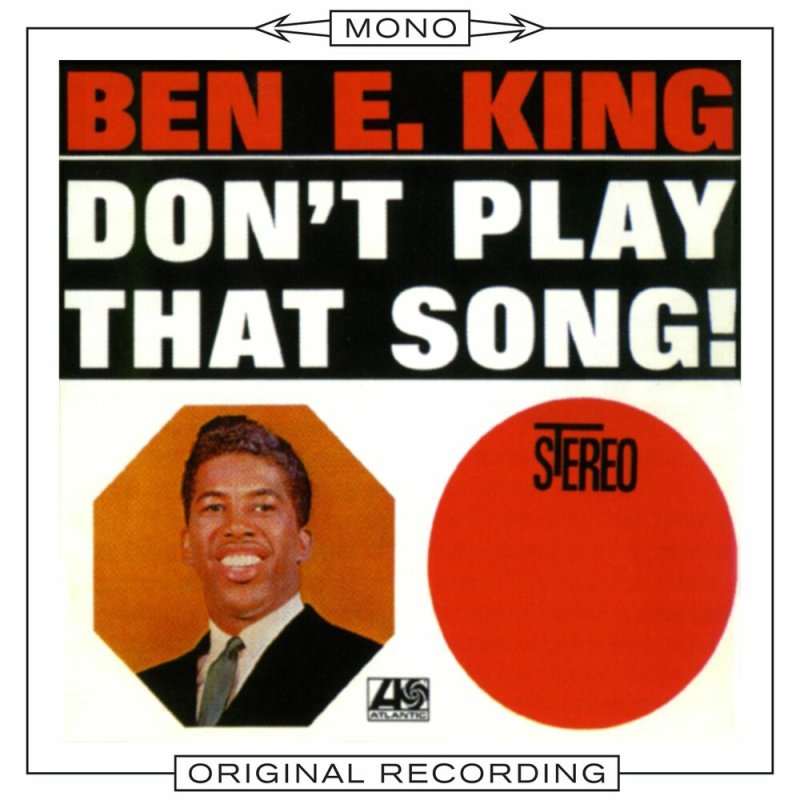
Stand by Me
Ben E. King · 1962
The crossover that showed bachata could absorb American pop. Prince Royce introducing himself to the world.
Dos Locos
Monchy & Alexandra · 2002
The perfect bachata duo. Two voices that complement each other with the precision of the great Latin American boleros.
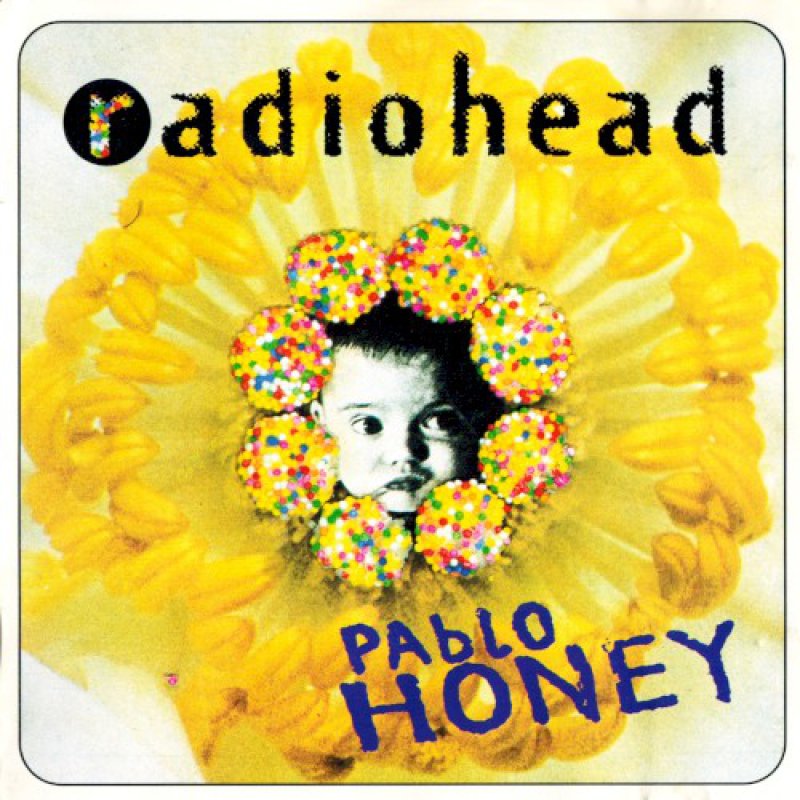
You
Radiohead · 1993
Aventura's first album in English and Spanish. Urban bachata defining its own bilingual language.
Odio
Romeo Santos ft. Drake · 2014
The collaboration that brought bachata to Drake's audience. Romeo Santos doing the impossible: convincing American rap that bachata was its brother.
El Amor Que Perdimos
Prince Royce · 2011
The melancholy of traditional bachata in the contemporary production of Prince Royce. Heartbreak as the eternal territory of the genre.
Cancioncitas de Amor
Raulín Rodríguez · 1993
The bachata singer who was the bridge between tradition and modernity. Raulín being the bachata that was neither too old nor too new.
The Wedding
Antony Santos · 1992
The modern classic bachata in its most dramatic song. The love that slips away when it's already too late.
Bachata in Fukuoka
Juan Luis Guerra · 2010
The bachata that reached Japan. Juan Luis Guerra demonstrating that the genre has no possible geographical boundaries.
🎵 Practice these songs on Doresol
Next and last chapter — Dominican Republic Series: The 21st Century — Dembow, Tokischa, and the new Dominican generation.
The full series
Dominican Republic
Merengue, bachata, dembow. The island where modern tropical cadence was invented.
-
CAP 01
🇩🇴 Ch 01
The Roots and Merengue Típico: The Soul of the Cibao (19th Century–1950)
The island of La Española — Hispaniola — is geographically unique in the Caribbean: the only place in the world where two countries share an island and where the history of those t
-
CAP 02
🇩🇴 Ch 02
The Bachata: Love from the Margins (1962–1990)
For most of its history, bachata was considered too vulgar, crude, and musically rustic to be broadcast on television or radio in the Dominican Republic. It was the music of the po
-
CAP 03
🇩🇴 Ch 03
Juan Luis Guerra: The Poet of Merengue (1984–present)
There is a before and after in the history of Dominican music, and that before and after have a name: Juan Luis Guerra.
-
CAP 04
🇩🇴 Ch 04
The Orchestral Merengue: Johnny Ventura, Wilfrido Vargas and the Golden Era (1960–1990)
The merengue from Cibao was a genre of guitar, accordion, güira, and tambora — an intimate, rural music, for weddings and neighborhood parties. The great transformation that turned
-
CAP 05 you are here
🇩🇴 Ch 05
The Modern Bachata: From the Bronx Neighborhoods to the World (1990–present)
The history of modern bachata did not mainly occur in Santo Domingo but in New York — specifically in the Bronx and Washington Heights, the neighborhoods where the Dominican diaspo
-
CAP 06
🇩🇴 Ch 06
The Dembow and the 21st Century: From the Yards to the World (1990–present)
If there were a script for the history of Dominican musical genres of the 20th and 21st centuries, it would always be the same: a rhythm is born on the margins, among the people th
You might also like
3 articles picked by editorial similarity


