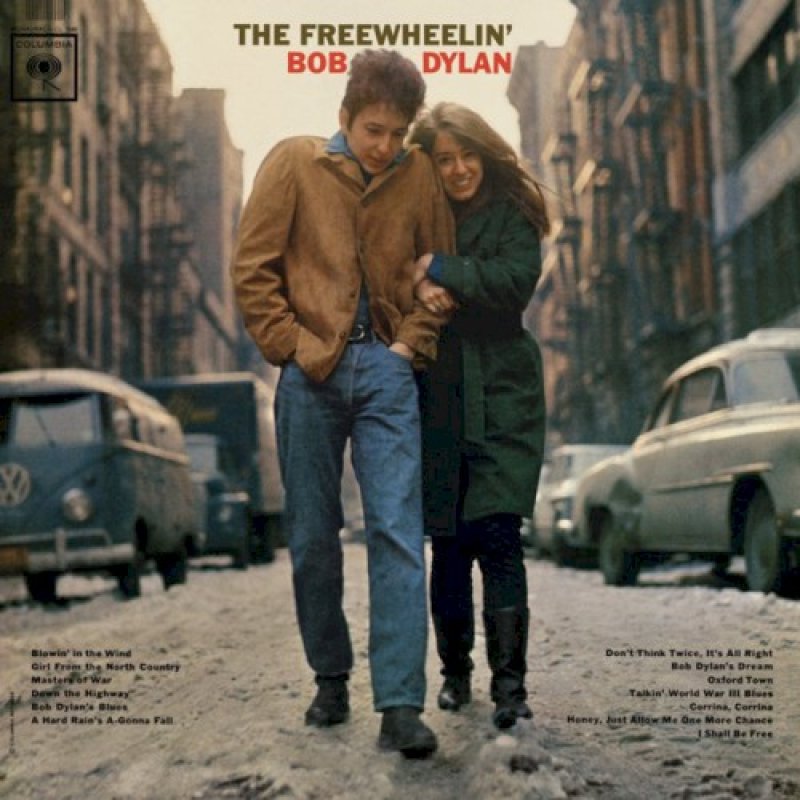
Blowin' in the Wind has three chords and a simple melody. What made it timeless was something else: Dylan's harmonica responding to each verse like a second voice made of air.
Blowin' in the Wind has three chords — D, G, A — and a melody that any beginner can play on their first afternoon with a guitar. What made it eternal was something else: Dylan's harmonica at the end of each verse.
The riff that isn't a riff
The diatonic harmonica in C major, played in second position over the key of D major, doesn't play the melody. It plays answers. Every time the voice finishes a question — "How many roads must a man walk down?" — the harmonica responds with a bluesy phrasing, full of air and bends.
The timbre as meaning
Traditional folk uses the harmonica as an ornament. Dylan uses it as a second voice. That's what turns a protest song into a conversation between the singer and the wind. The harmonica doesn't accompany — it replicates.
Without that harmonica, Blowin' in the Wind would be just another song in the 60s folk songbook. With it, Dylan invents a genre.